
The story of cult designs that have succeeded in being as timeless and immortal as a work of art…
As in all areas that grow under the shadow of creativity, there are works that have their names written in golden letters in the literature in interior architecture. Timeless designs created by masters often create a new trend one after the other. How would you like to get to know these iconic furniture, which rises like a bridge between different periods?
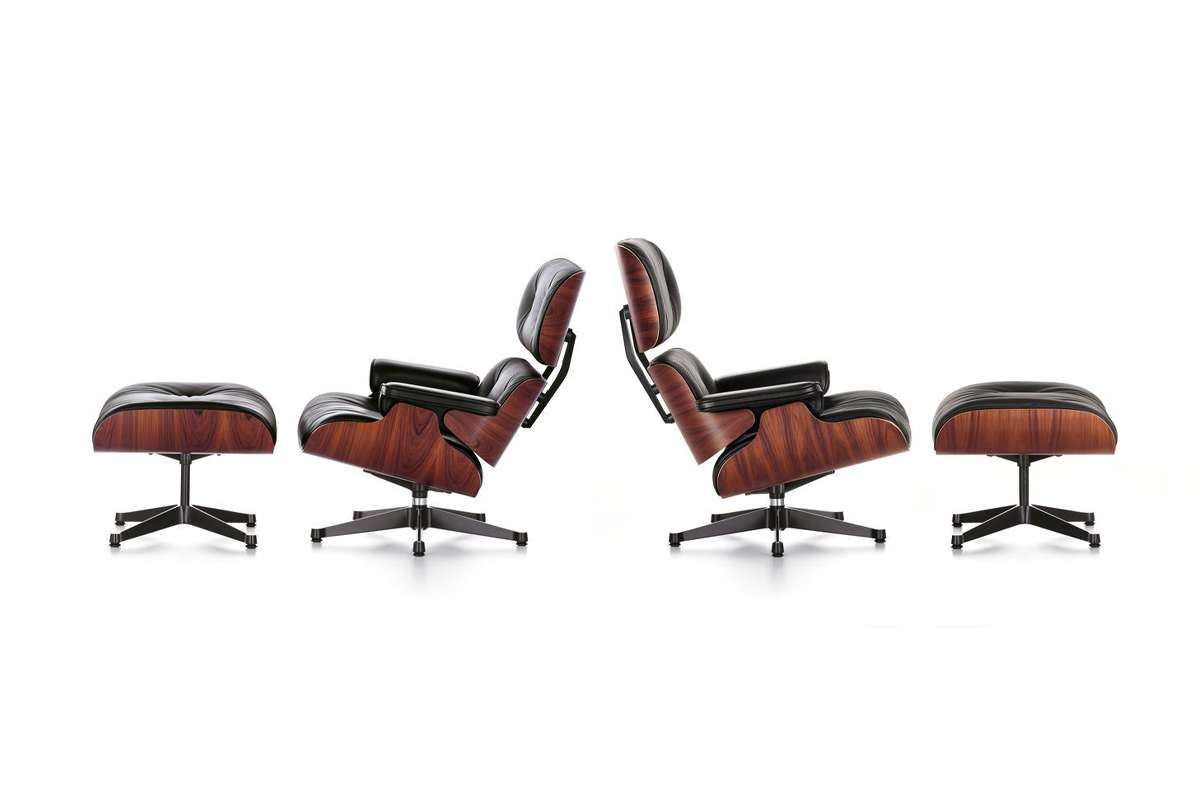
Eames Lounge Chair & Ottoman
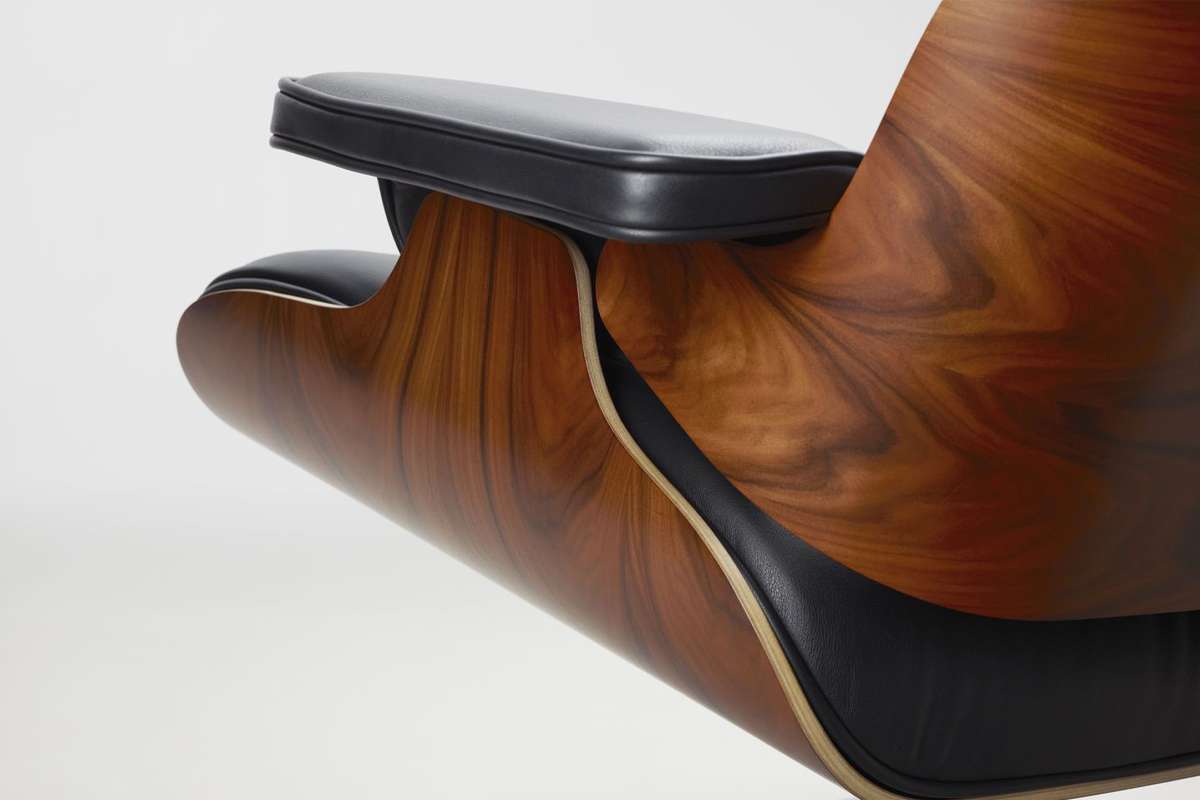
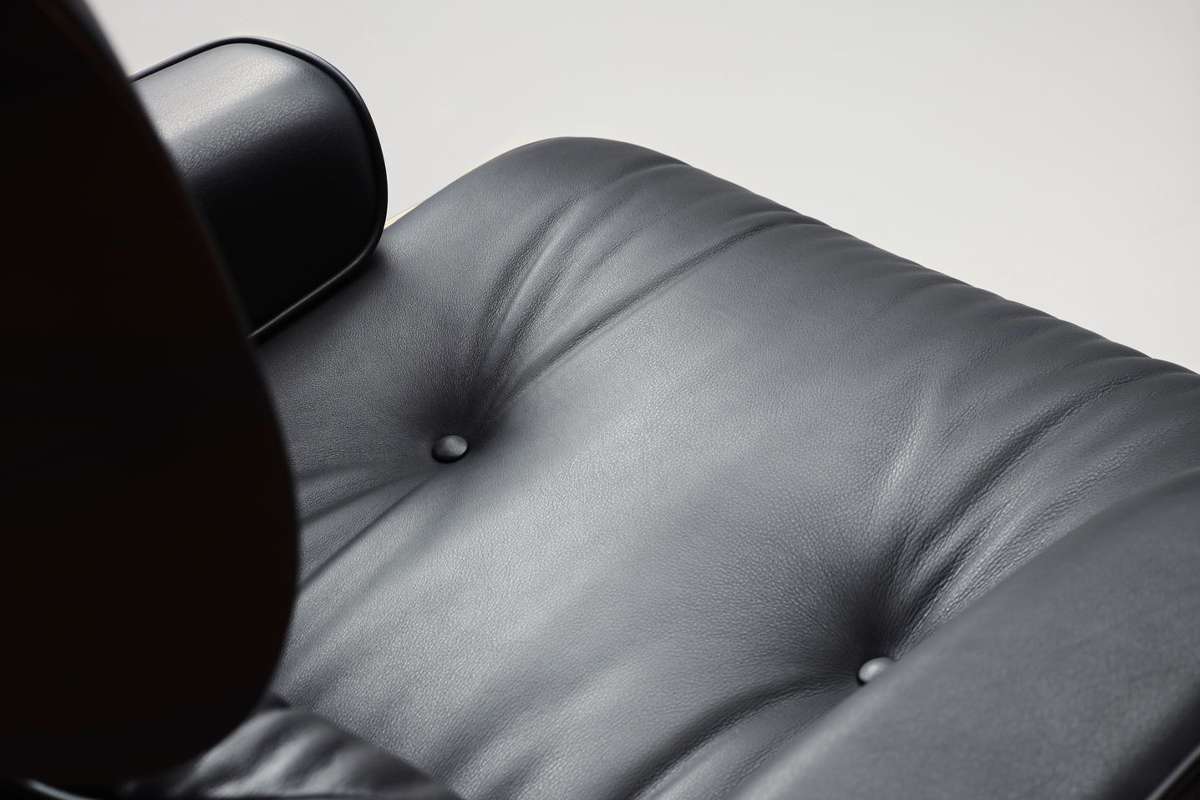
Designed by Charles and Ray Eames for the furniture company “Herman Miller” in 1956, this legendary set was inspired by the 19th century English club chair. Its body is made of molded seven-ply wood-shell veneer, and its upholstered cushions are made of soft leather. The designers wanted the duo to feel warm and comforting, like a “well-used first goalkeeper glove.” Offering comfort and convenience to its users with its puff, the product was indispensable for office looks of the 1950s. Today, the price of the redesigned duo for the Vitra brand is about $ 7,500.
Tulip Table & Chair
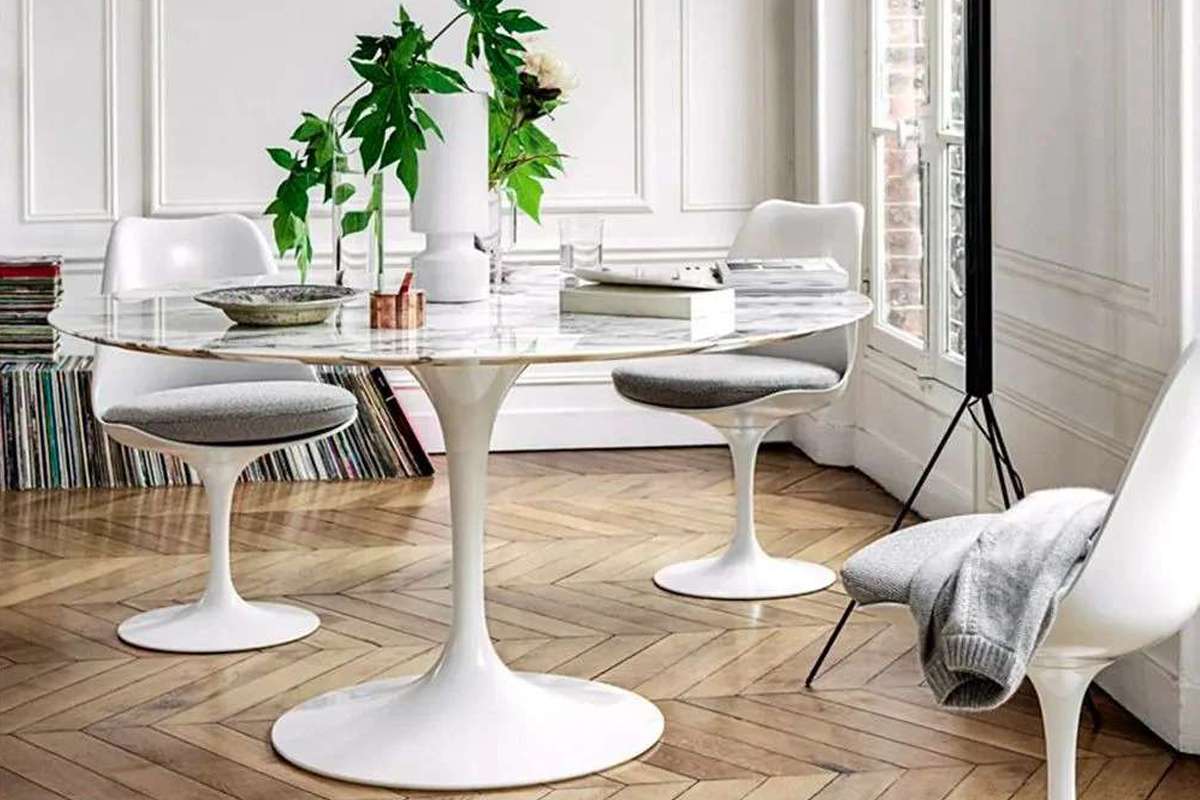
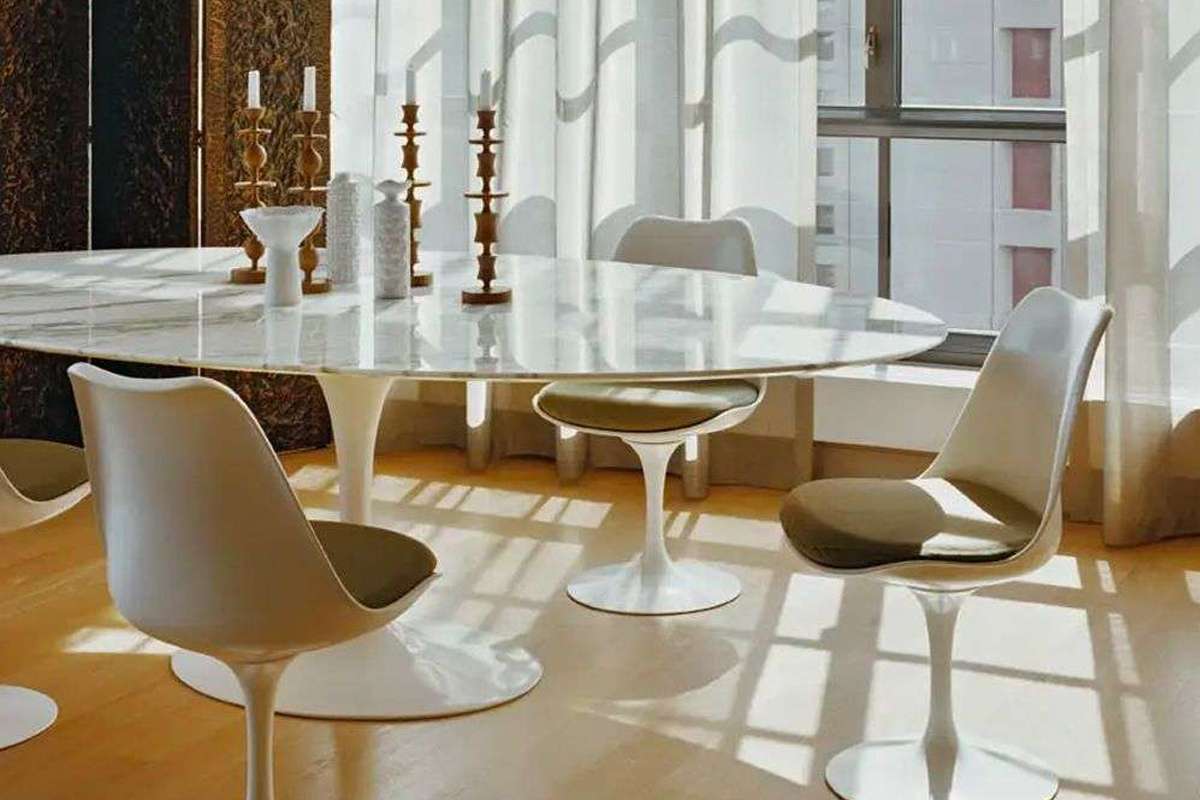
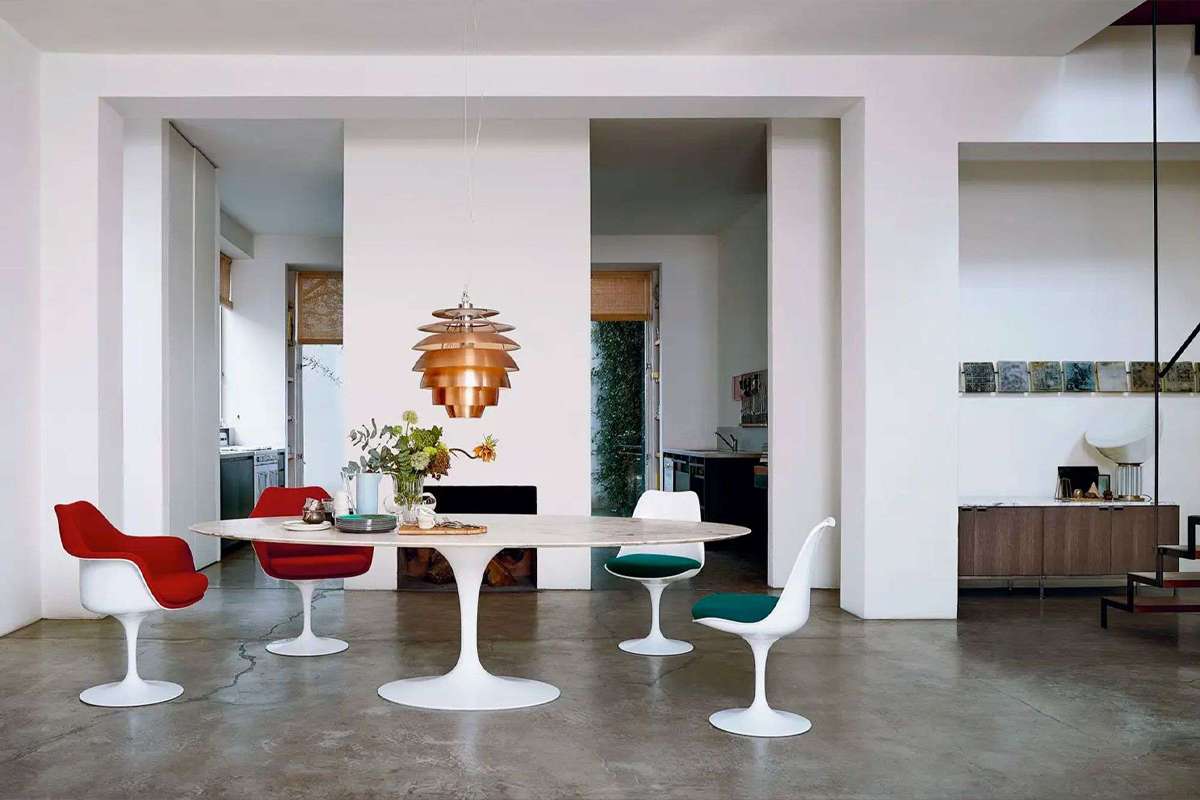
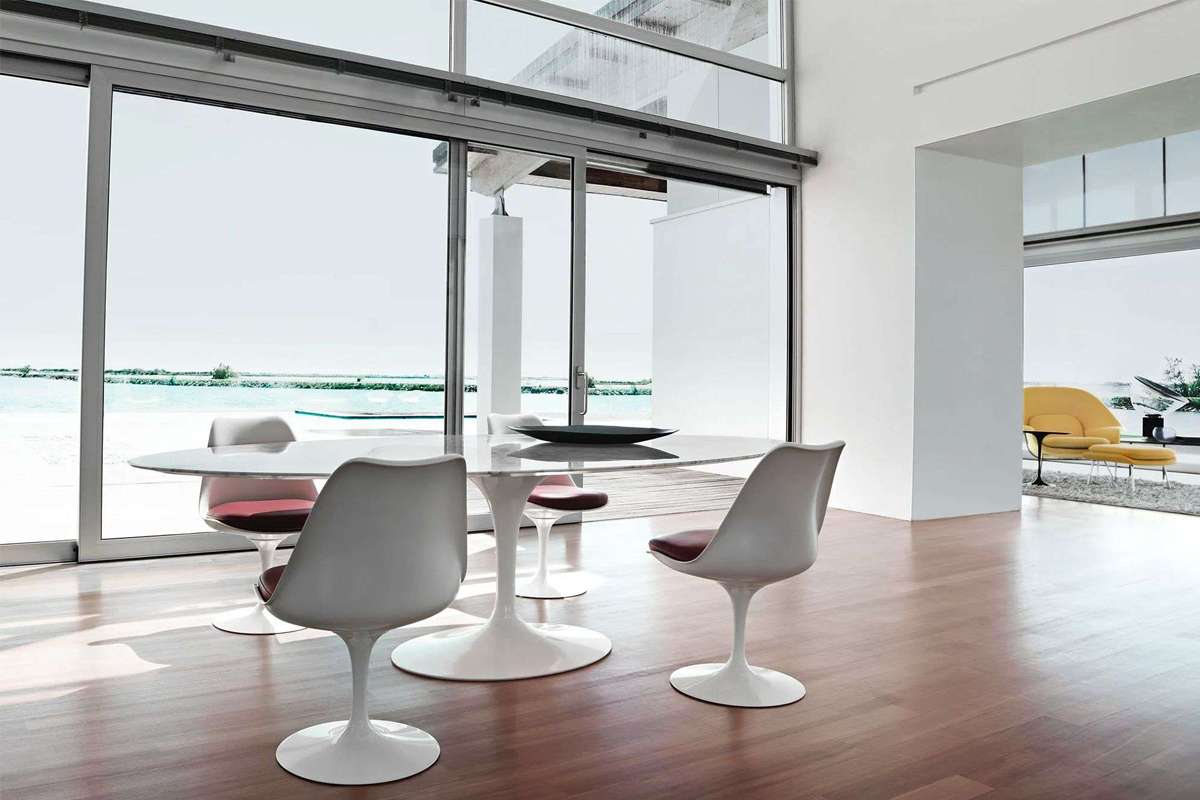
The Tulip (Tulip) table and chair was designed by Eero Saarinen for the furniture house “Knoll International” in the mid-1950s. Known for his works including Washington Dulles International Airport, TWA Flight Center and Gateway Arch, Saarinen was a Finnish-American architect and industrial designer. The design that grows like a flower from the center was originally called the pedestal because of its extraordinary bases. With this unique foot, the designer aimed to eliminate the “ugly, confusing, restless world” under the tables. Conclusion; groundbreaking elegance, enduring style and immortal design…
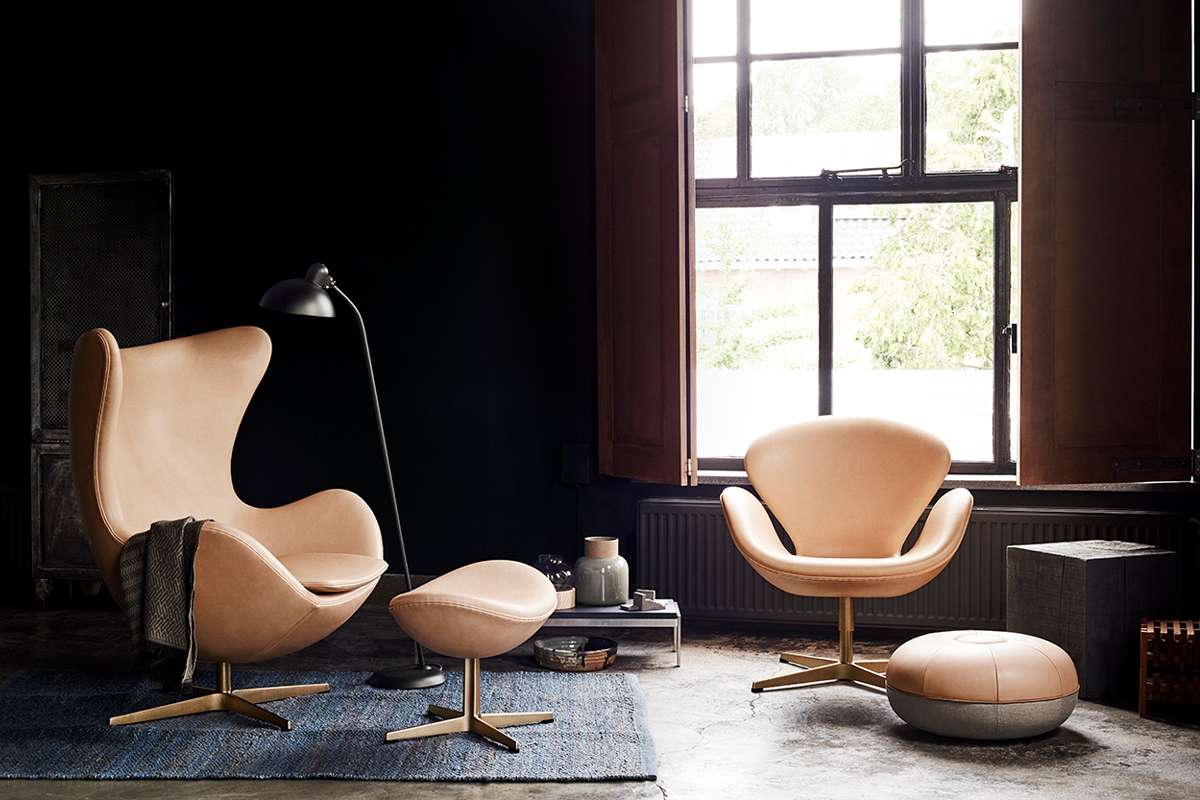
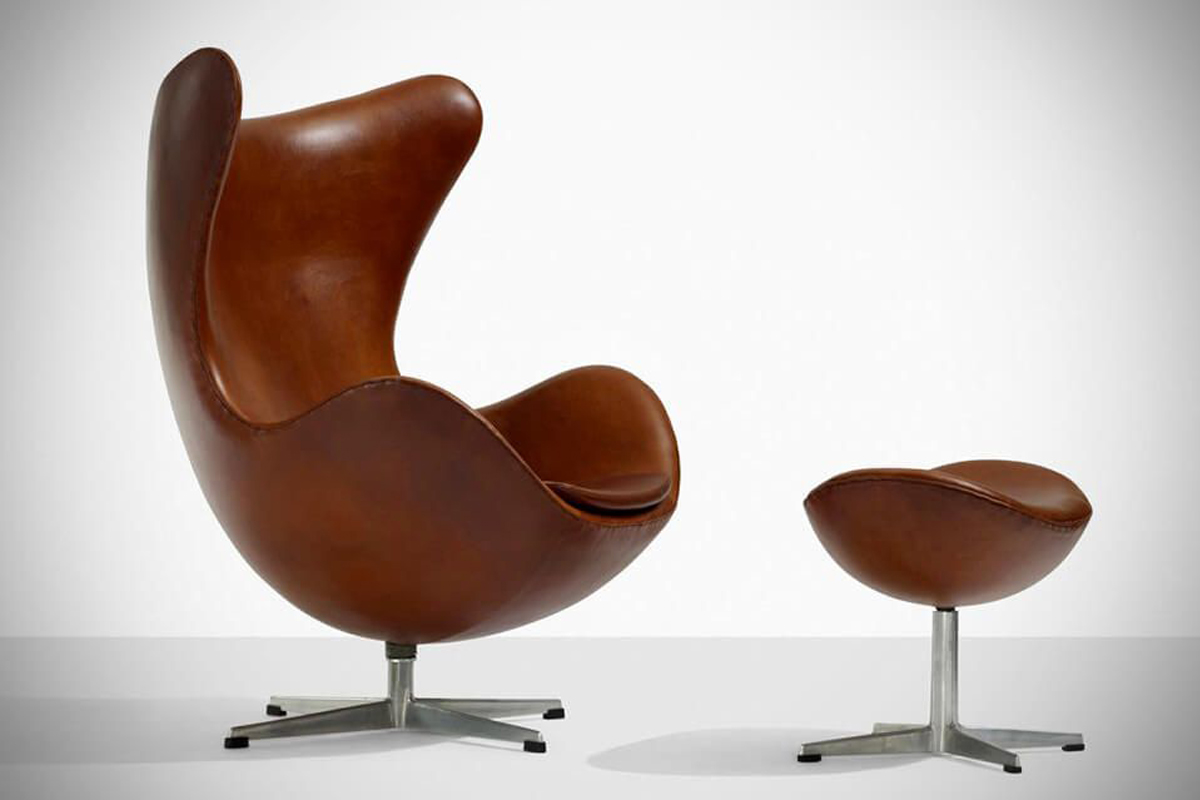
Egg Chair
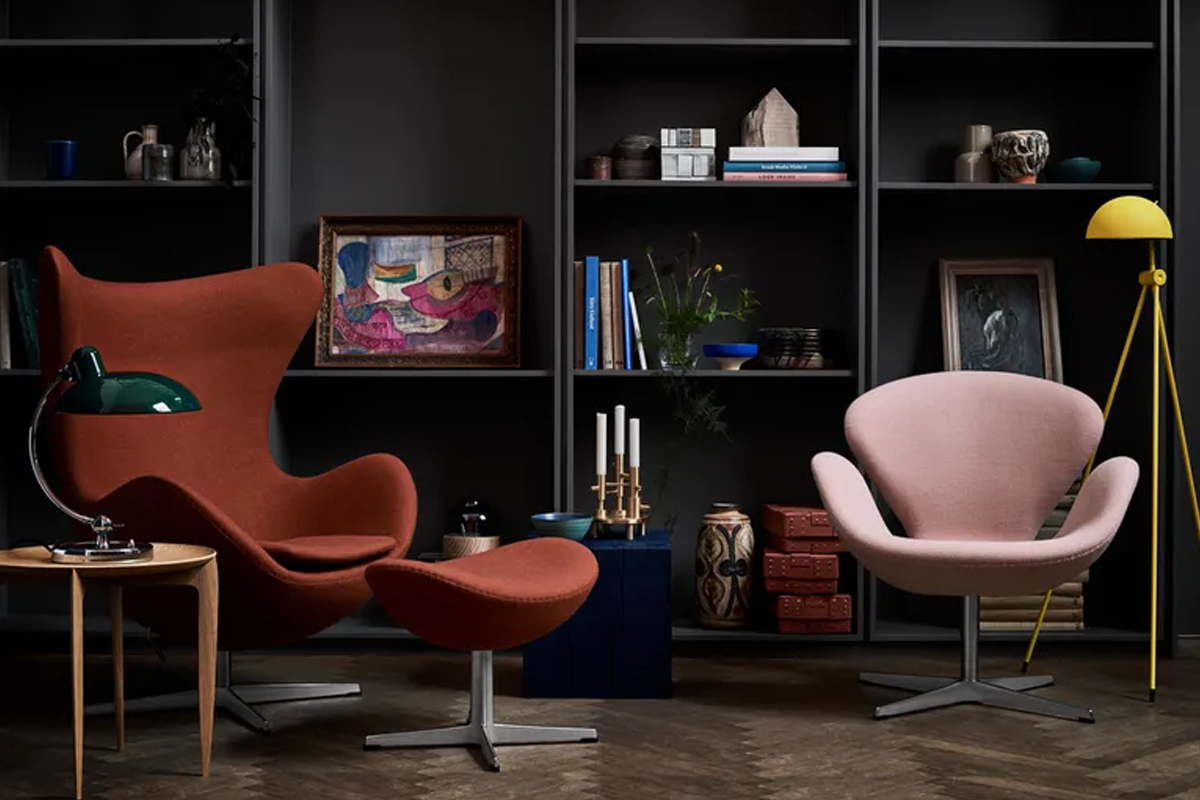
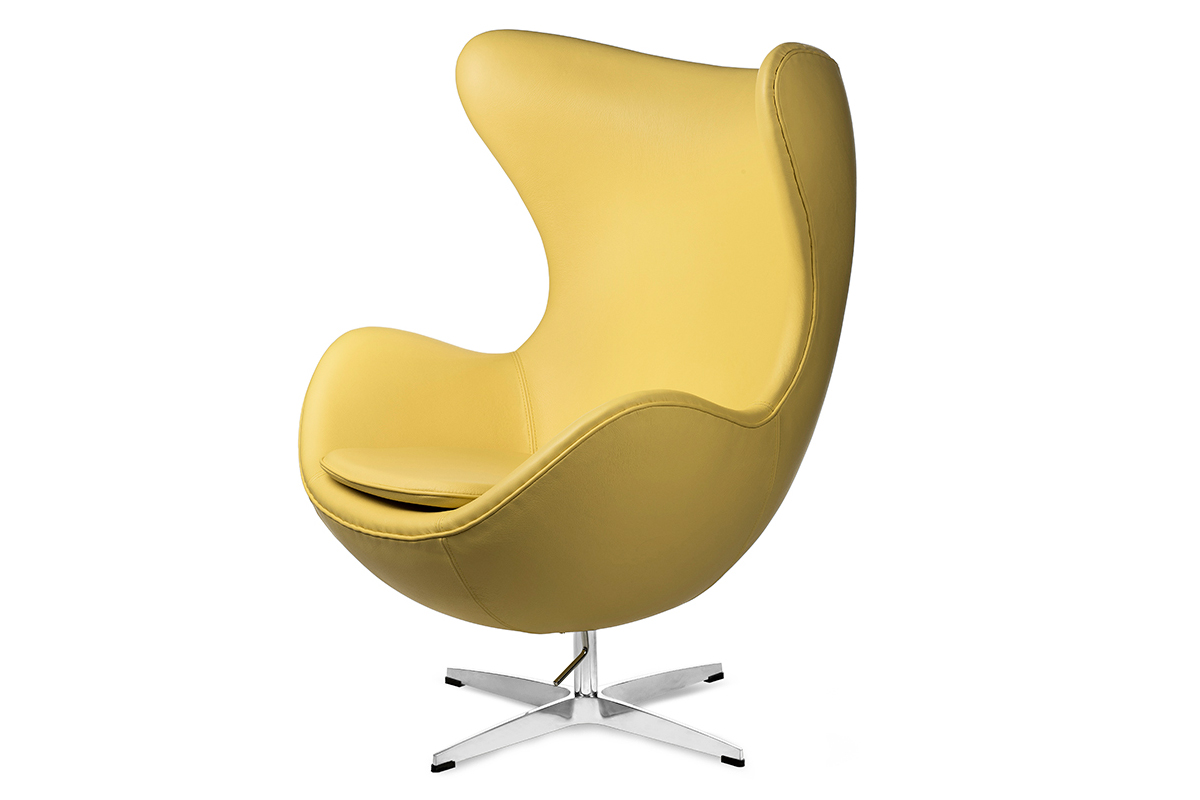
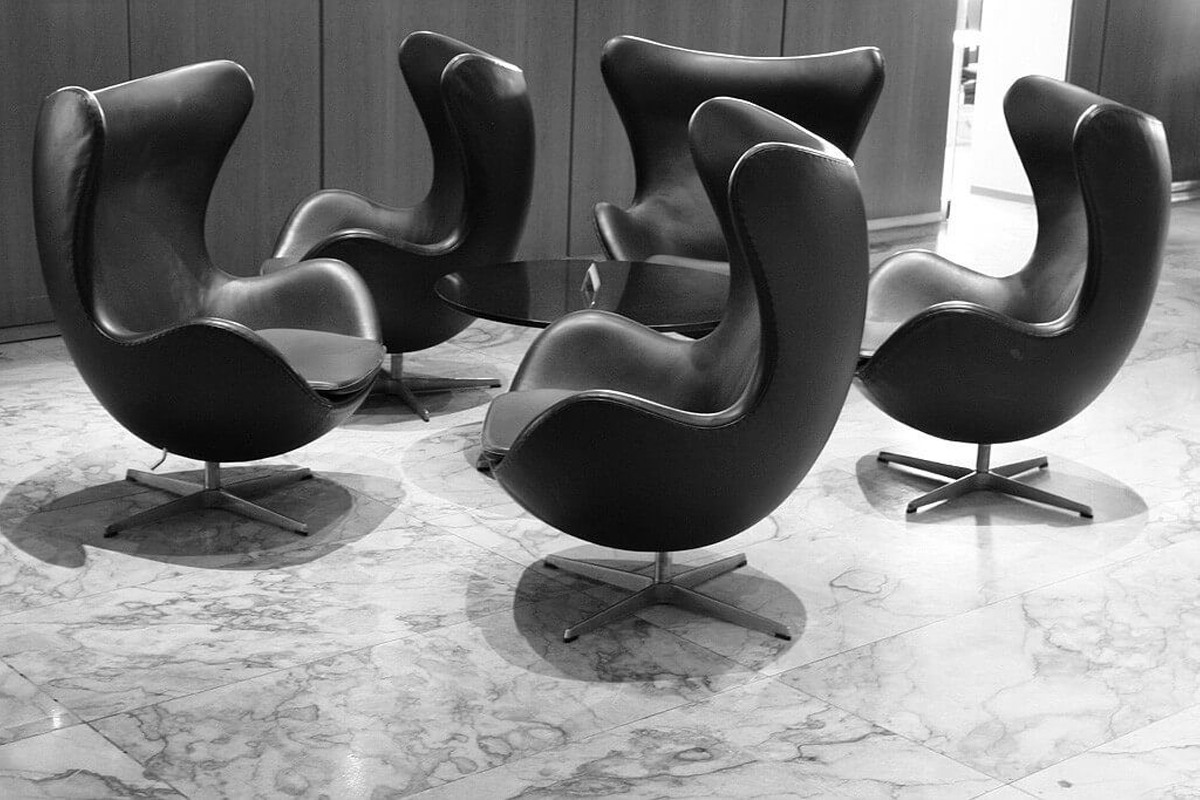
The “Egg Chair”, designed by Arne Jacobsen in 1958 for the Royal Copenhagen Hotel upon the order of the “Fritz Hansen” brand, is one of the prominent design classics of the 20th century with its organic form and cocoon-like structure that grasps the human body. The 1963 “Ball Chair” by Eero Aarnio, the 1968 “Bubble Chair”, Henrik Thor-Larsen’s “Ovalia Chair” and Nana & Jorgen Ditze’s “Hanging Egg Chair” inspired by Jacobsen’s Egg Chair. are just some of the designs.
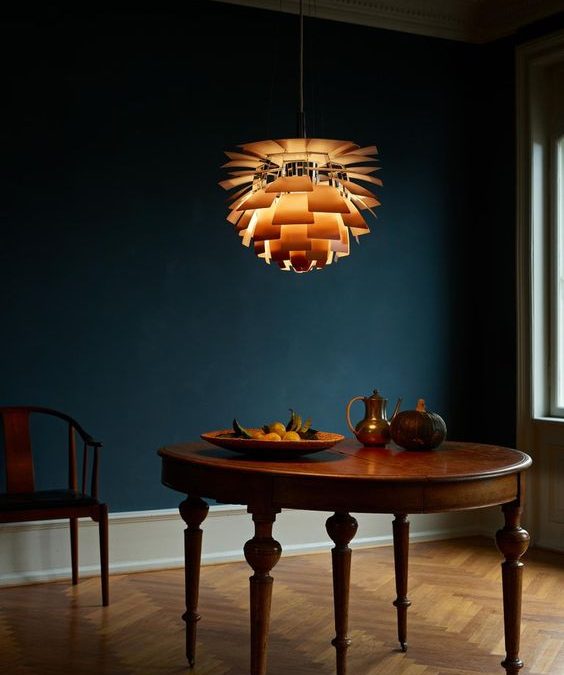
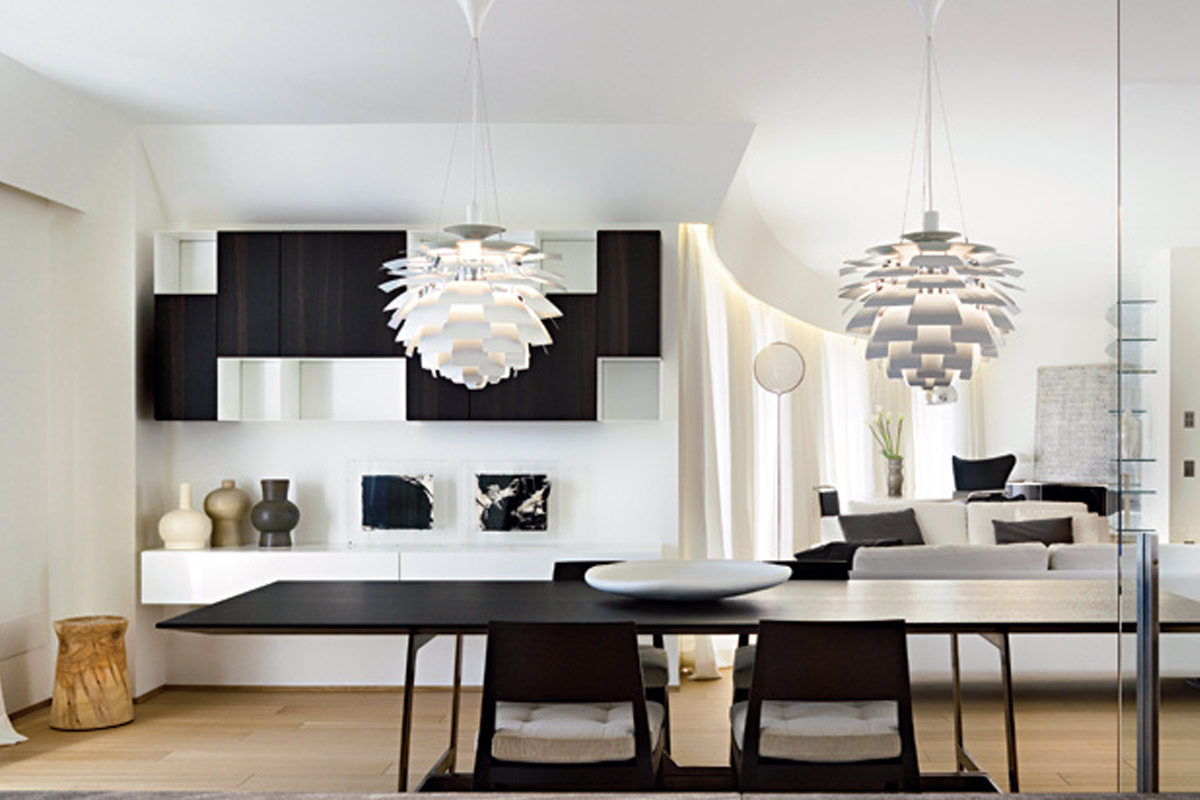
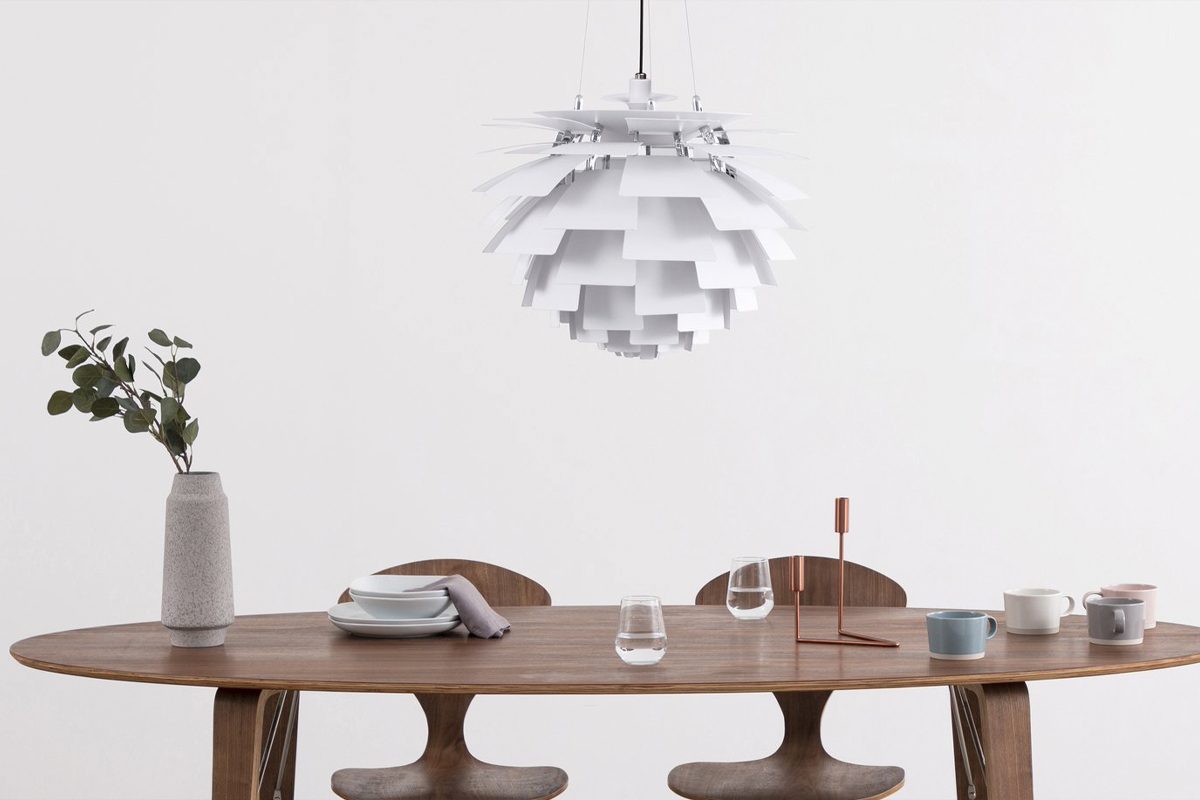
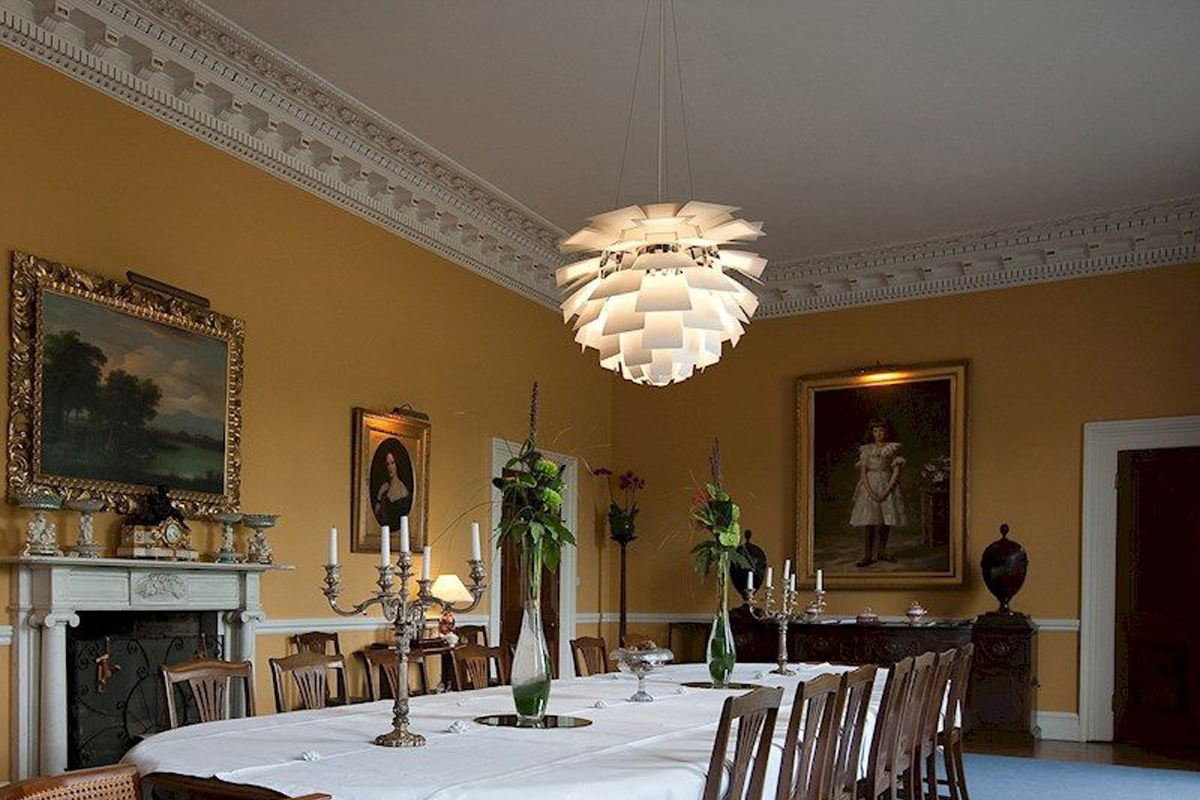
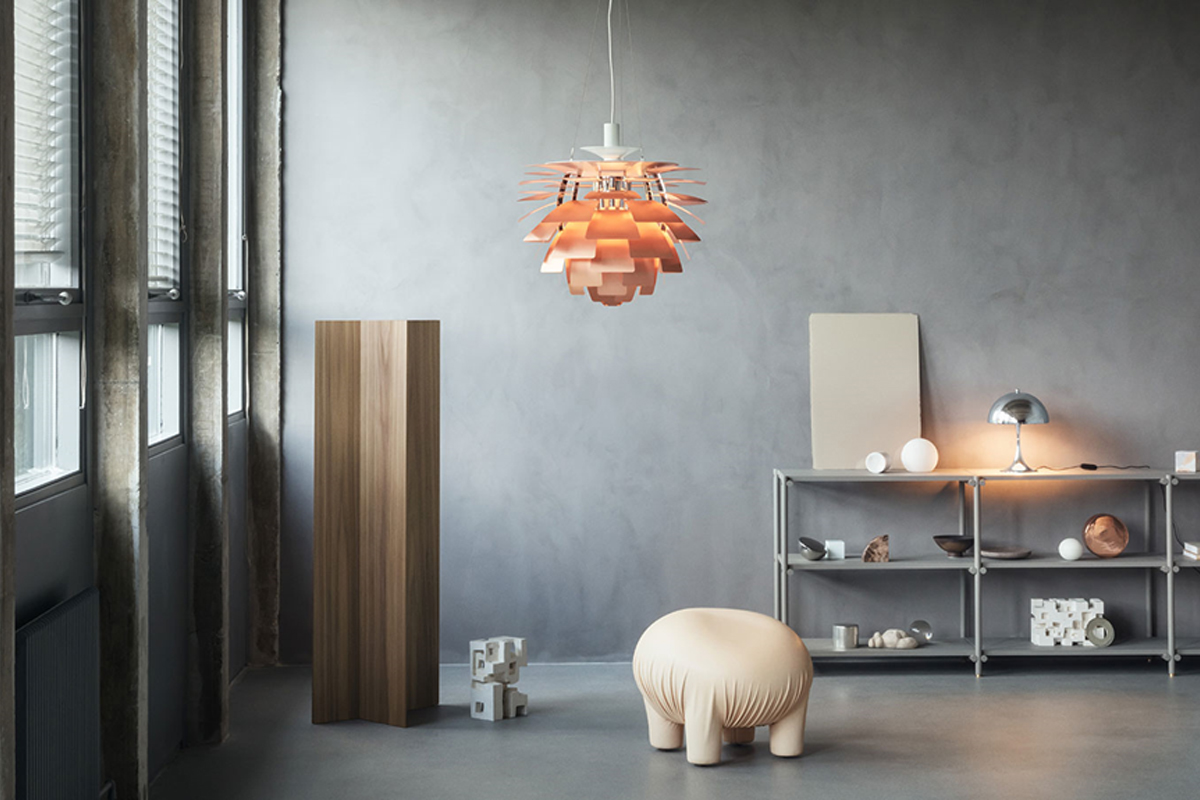
PH Artichoke
Known as the “master of soft light”, Danish Paul Henningsen designed the first PH Artichoke (Artichoke) lamp for the Danish pavilion at the Paris Fair in 1925. He repeated the light distribution system in this first design, which he called “Paris”, in all his subsequent products. PH Artichoke, designed by the designer for the “Langelinie Pavillonen Restaurant” in Copenhagen in 1958, said, “It takes vision, not money to illuminate an interior correctly,” has become his signature iconic design. PH Artichoke has an important place among design classics with its unique sculptural design and 72 leaf structure that prevents the light from shining when viewed from different angles. Today, the price of cult lighting produced by the “Louis Poulsen” brand ranges from 8 thousand dollars to 40 thousand dollars.
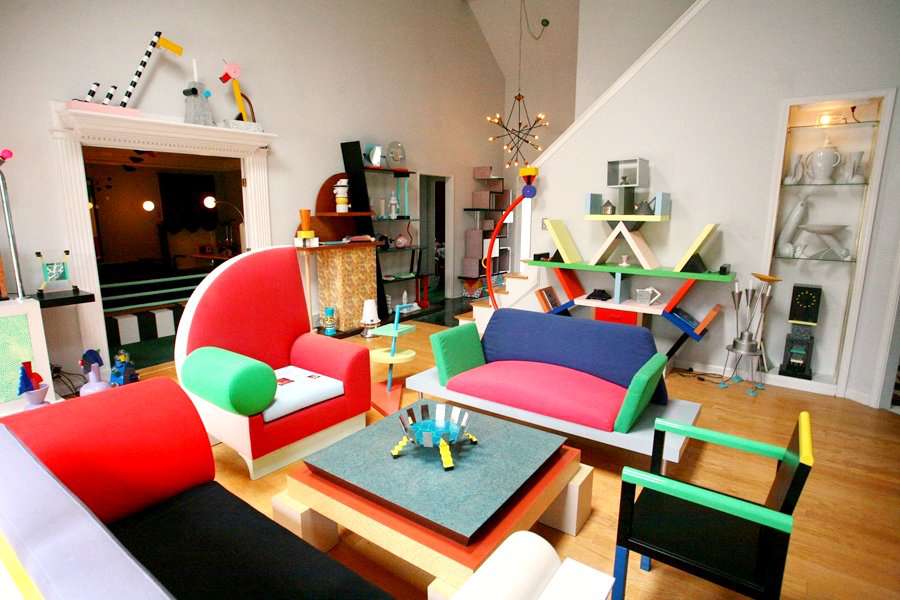
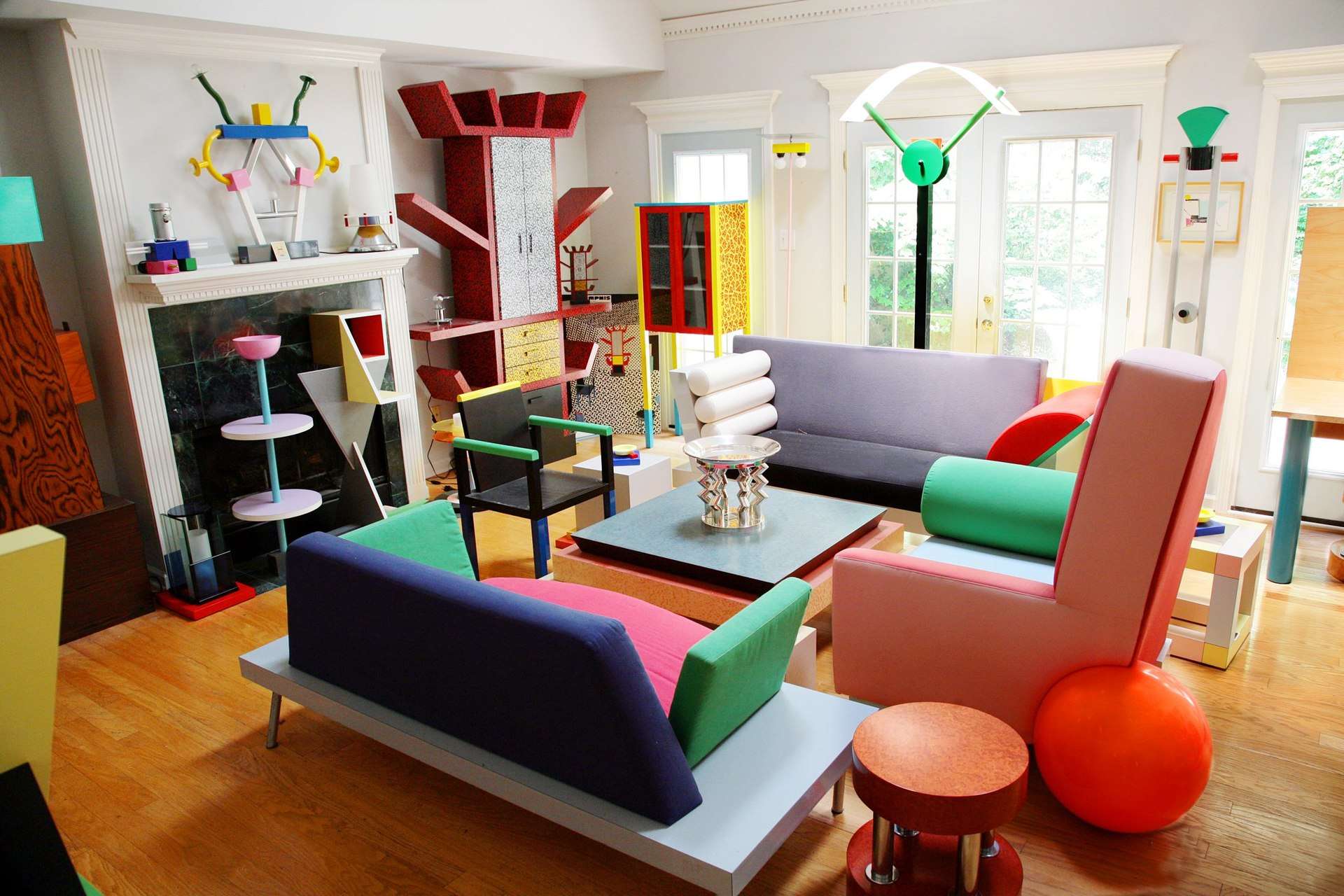
Memphis
Architect and industrial designer Ettore Sottsass, who has been called the “Godfather” or maestro of Italian design, founded the “Memphis” group in 1981. This group soon became the symbol of new and contemporary avant-garde design. Taking its roots from styles such as Pop Art and Art Deco, the group interpreted African patterns and the kitsch design approach of the 1950s with an eclectic approach. Bringing aesthetics before function, Memphis was also defined as a kind of libertarian and creative intersection set of intellectual designers of the period. You can see Sottsass’s works in the permanent collections of important museums such as MoMA and MET in New York, Center Georges Pompidou and Musée des Arts Décoratifs in Paris, Victoria & Albert in London, and the National Museum in Stockholm.
Triennial
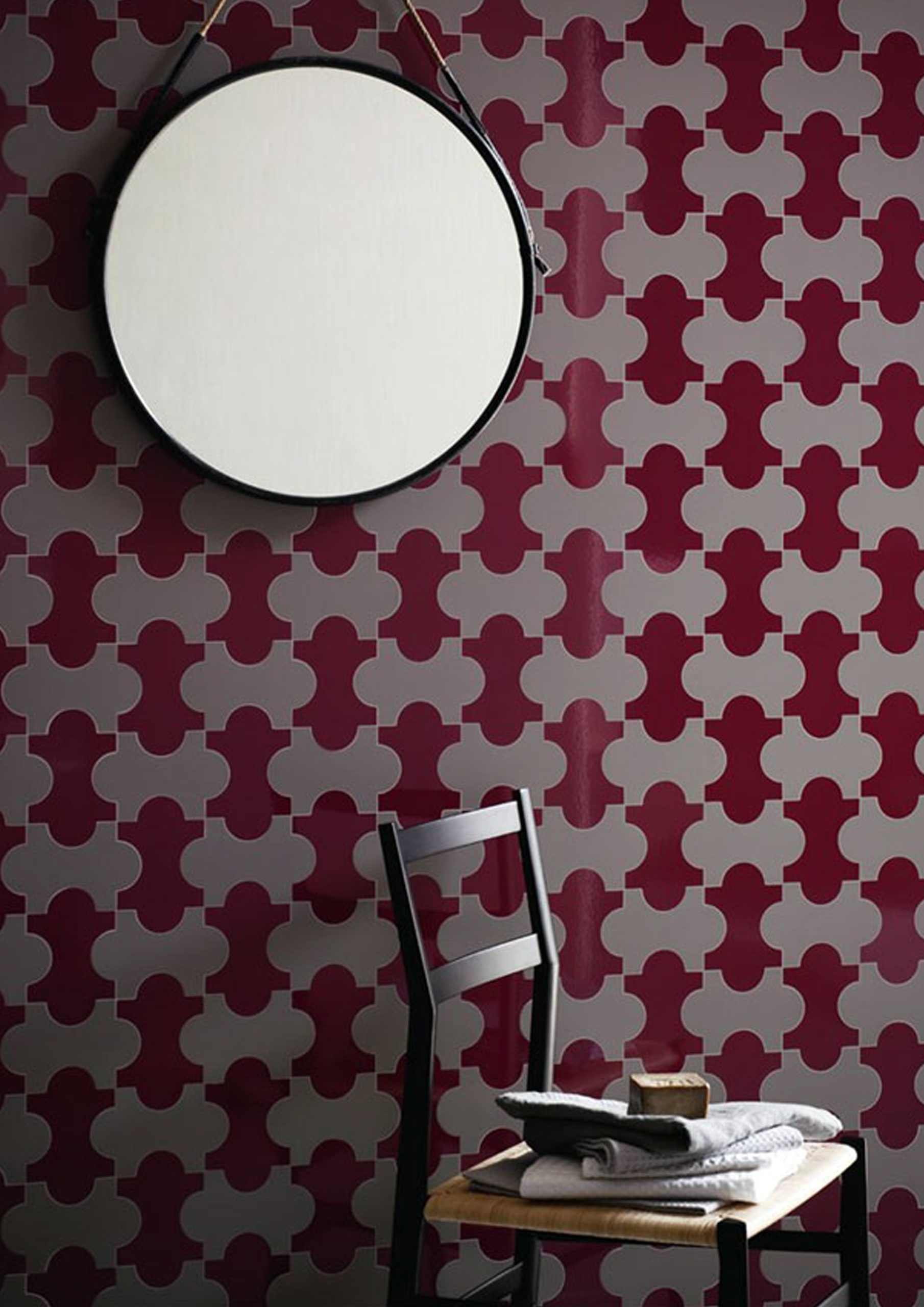
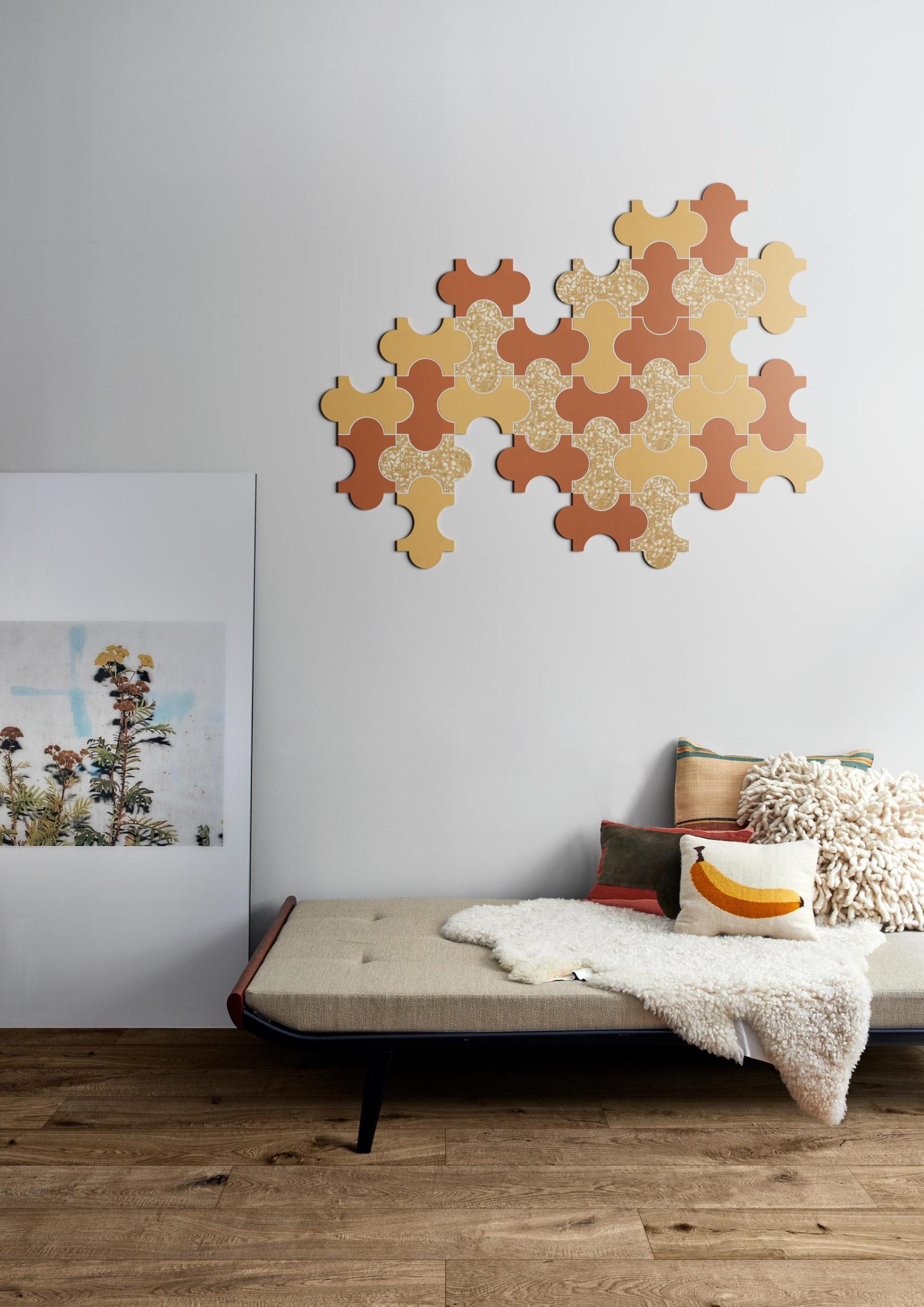
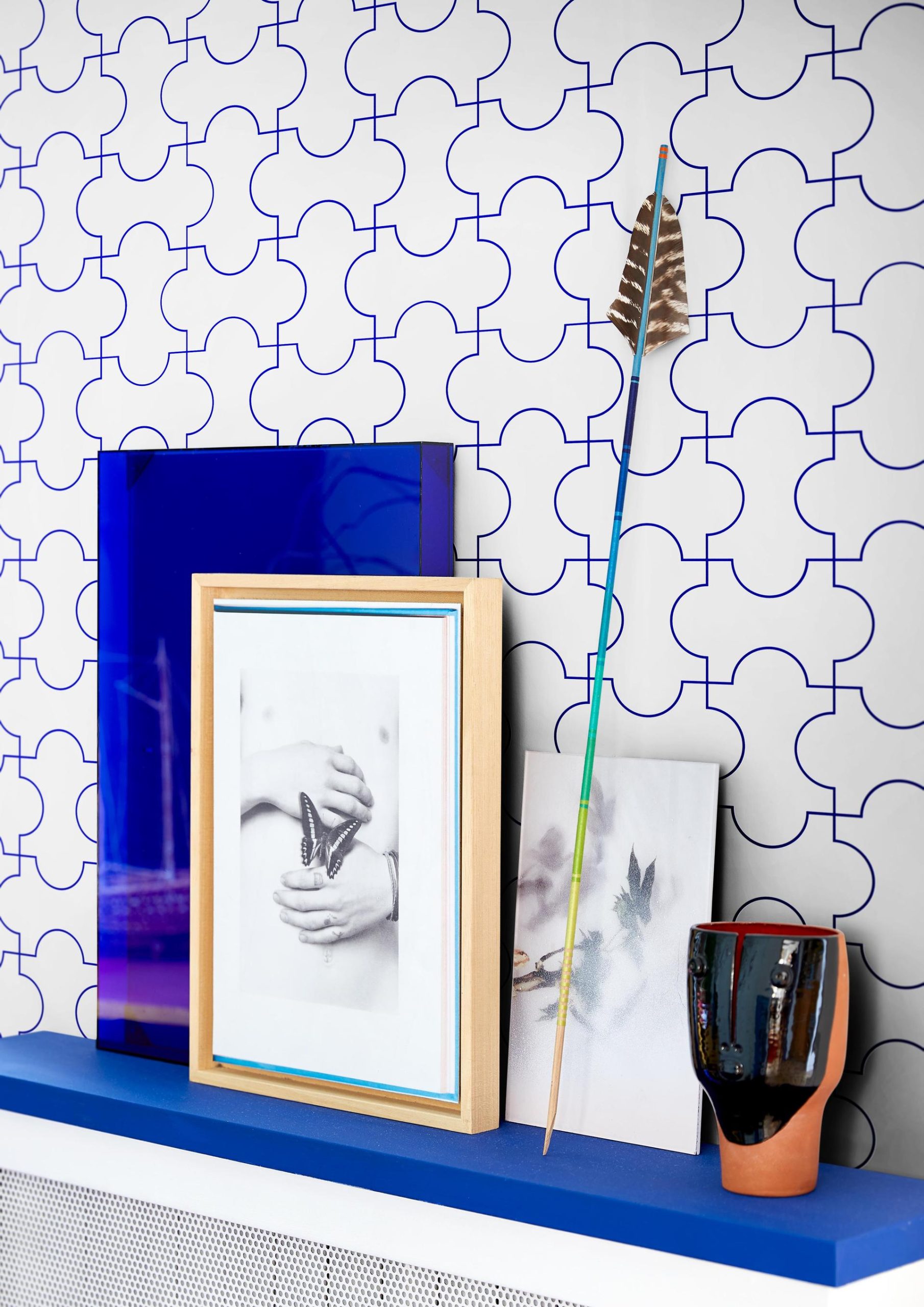
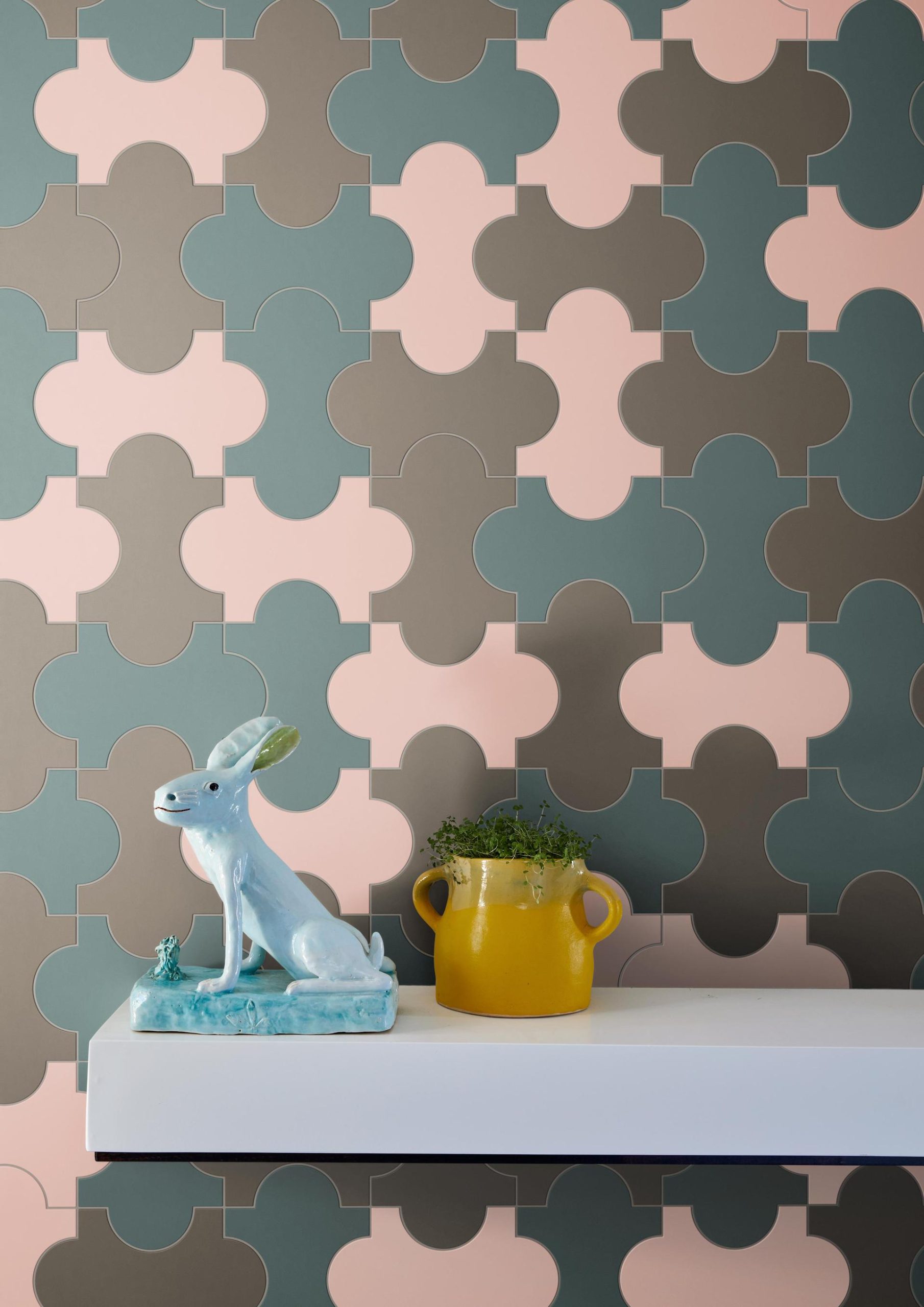
The four curved “Triennial” ceramic tiles designed by Gio Ponti and Alberto Rosselli for the “Marazzi” brand in 1960 aroused great interest in the design world with their contradictory forms. With their interlocking forms, the tiles have unlimited combination potential and have a modular structure that stimulates creativity. Today, these tiles, produced by Marazzi in different sizes as porcelain and stoneware as well as ceramics, are used on both floors and walls. The original tiles, drawings and models of the master designer were exhibited at the National Museum of 21st Century Arts in Rome as part of a retrospective exhibition for the 40th anniversary of Ponti’s death.