
Styles that left their mark on furniture design in the 20th century, the age of the motto “less is more”…
With the rapidly developing industrialization after the two world wars in the 20th century, our daily life patterns have also changed. These changes paved the way for technological and design innovations in the furniture industry, as in every other field. The emergence and spread of globalization and consumption culture, the use of new materials and the development of production technologies have caused the 20th century to be experienced very differently from previous periods in all fields of industry and design. Furniture, which has been constantly developing according to societies and cultures since ancient times, started to change in terms of technology, understanding and use at the beginning of the 20th century. With the 20th century, industrial society emerged and handicrafts lost their old value. In the first fifteen years of the 20th century, the most important features of innovative furniture were that they were in simple geometric forms, away from ornaments. In general, straight lines, right angles were used.
Before and after war
In fact, it is possible to examine the 20th century furniture industry in two separate periods, before the Second World War and after the Second World War. In the pre-war period, Modernism made itself felt and the Art Deco movement emerged; After the war, industrial design gained importance and the era of Modernism officially began. Various synthetic materials and new metal alloys spread rapidly in the industry with the rapid recovery of the United States, which participated in the war but did not suffer great losses. The 20th century brought new styles that can be considered common to interior architecture and architectural disciplines.
Function and form manifestos
The “less is more” principle of modernism brought the minimalist approach over time and formed the basic philosophy of styles other than Postmodernism and Art Deco. In summary, the Modernism and Minimalism approach left its mark on the 20th century. 20th century; It also shed light on new developments in the 21st century with its original, creative and original furniture produced in large numbers, new material types and technologies. Functionality, accessibility and ergonomics in furniture production have left their mark on furniture design. The struggle of two important manifestos that say “form follows function” and “function follows form” has always kept creative works alive. In summary, the developments in the 20th century in the field of furniture design, which has been constantly developing since the earliest periods of history, were a turning point for the furniture to be designed and produced in the 21st century and beyond. How about taking a look at the effects of the political, political, social and cultural changes in the 20th century on our lives and furniture?
MODERNISM
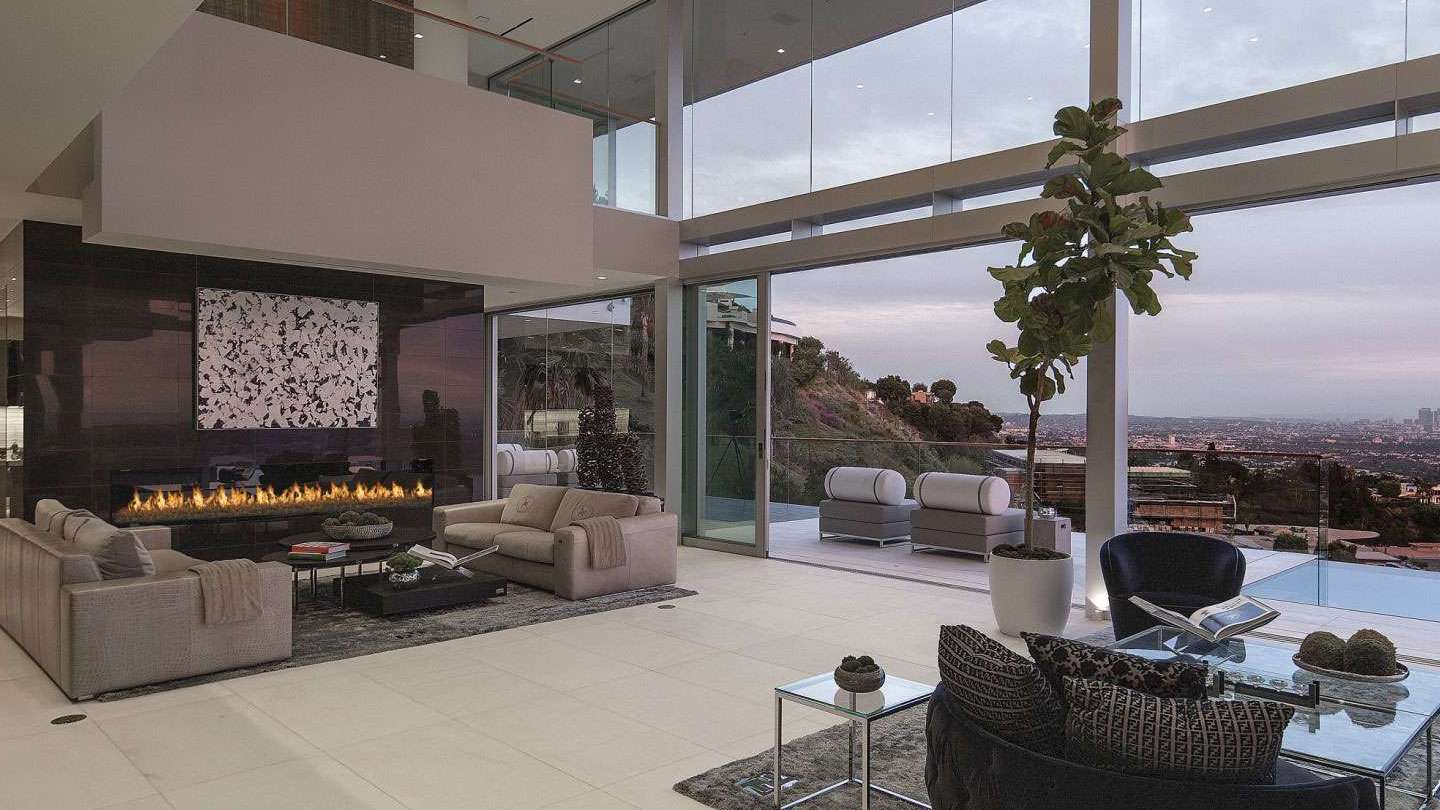
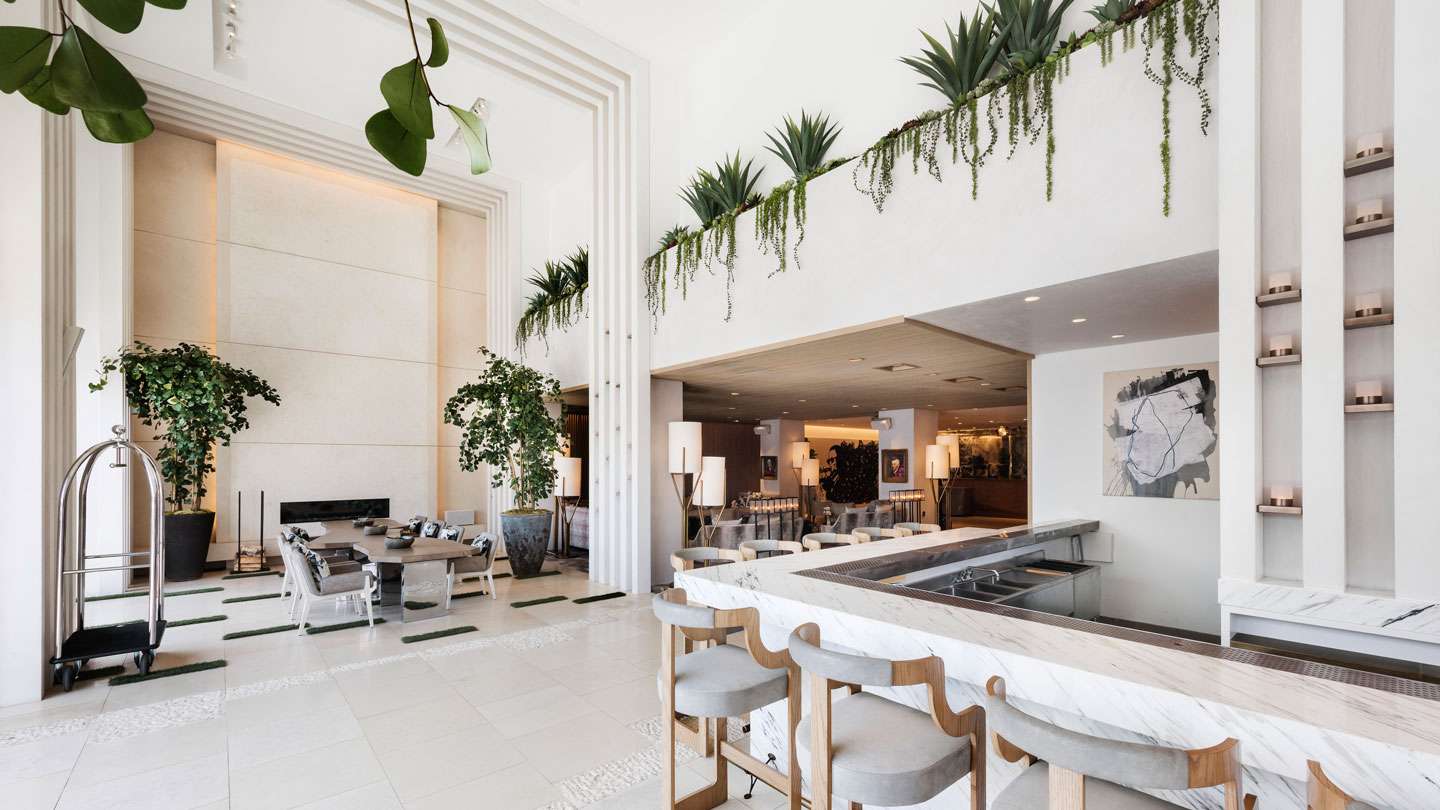
It is a concept with straight, clear lines, simple colors and materials such as metal, glass and steel. A sense of simplicity and elegance stands out in every item used, including furniture and accessories. The Modernist movement, which first appeared in the middle of the 19th century, brought designs for the use of large masses of people to the agenda. In the 1860s, British reformer, poet and designer William Morris, as well as Philip Webb, Madox Brown and Edward Burne-Jones produced modernist jewelry, wallpaper, textiles and furniture. This movement, which started in England and spread to all of Europe and North America, was effective until the years after the First World War. Mostly solid wood (especially oak) was used in the furniture, and matte finishes were preferred, which accentuated the grains of the trees. Influences of Japanese culture were seen in many designs. Gothic ornaments were also used a lot, and textures and patterns reminiscent of Turkish carpets and tiles were also encountered. Art Nouveau and Art Deco movements in the following years and the industrial designers that emerged in the first half of the 20th century were also born from this modernist movement.
Modern4
Modern3
Modern2
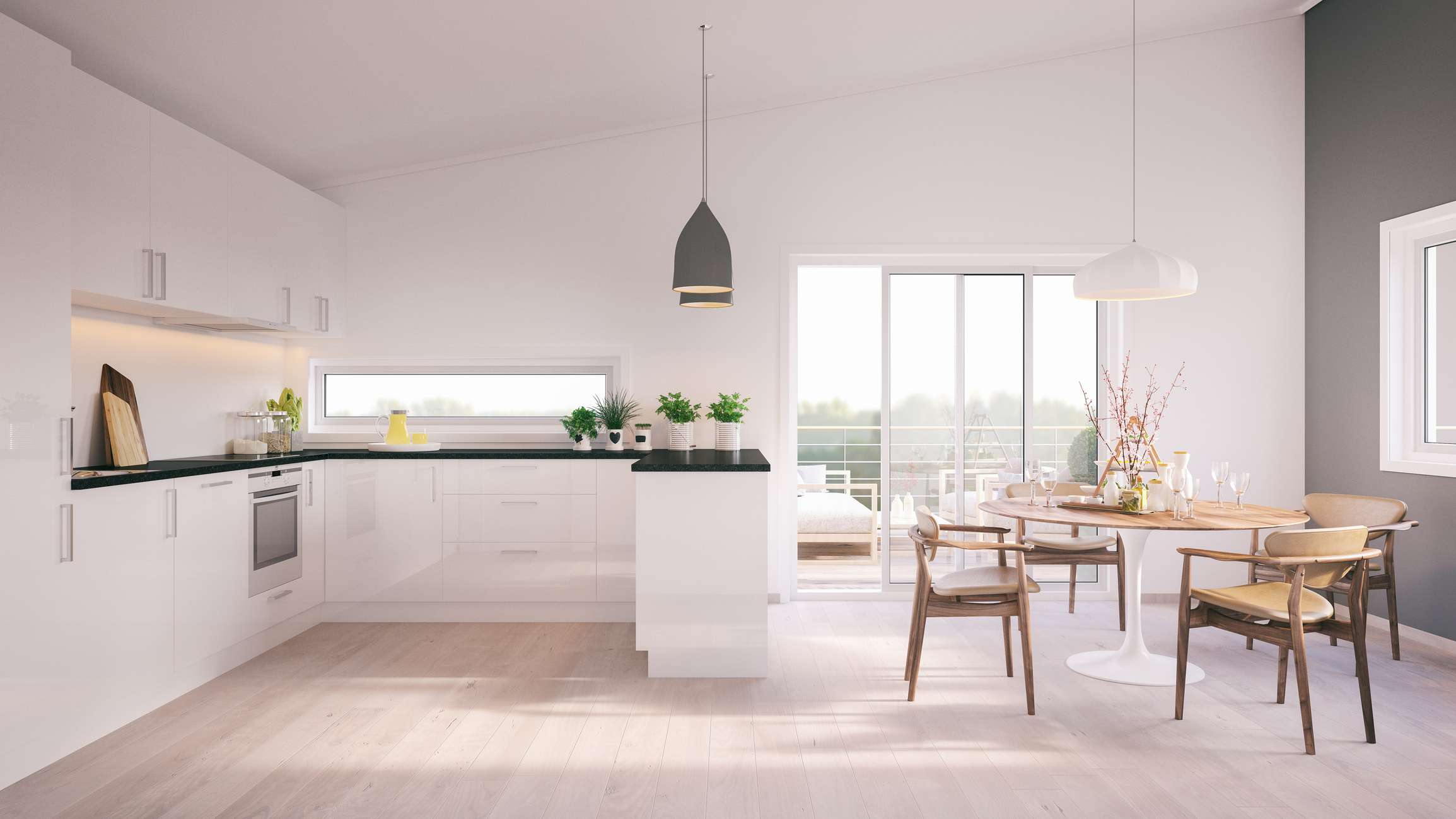
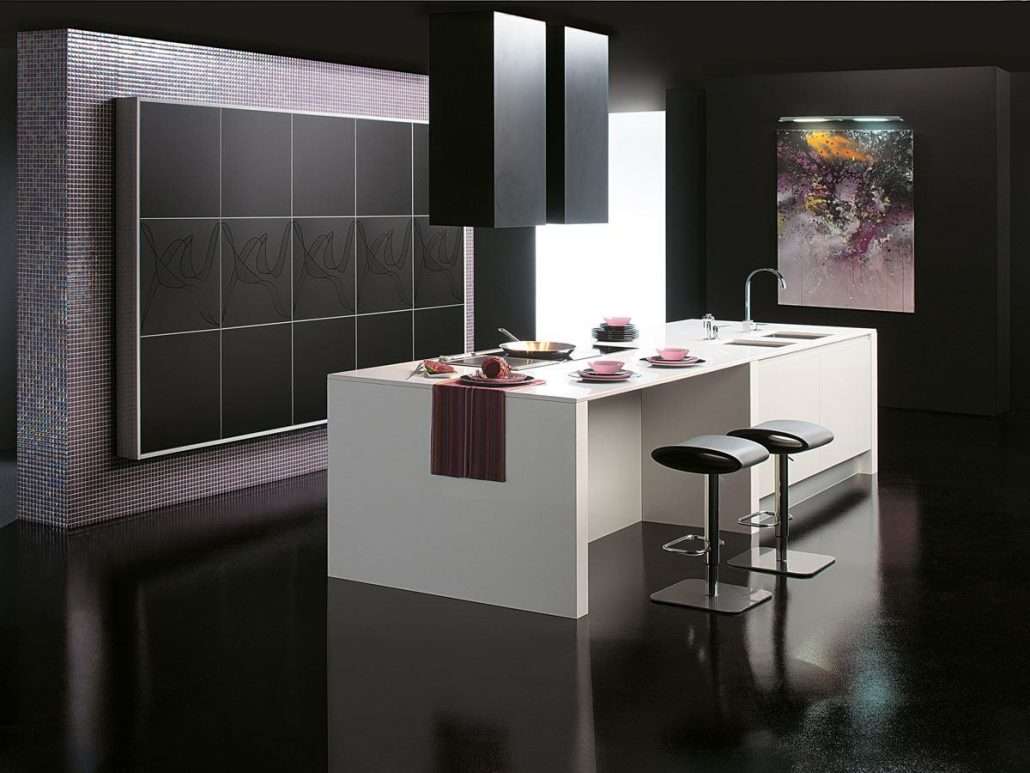
Modern minimalistic kitchen
A shoot of modern scandinavian style, domestic kitchen. Render image (CGI)
INDUSTRIAL
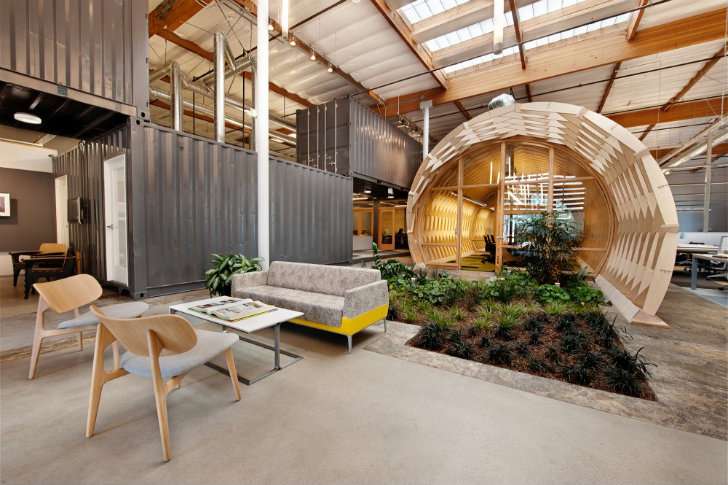
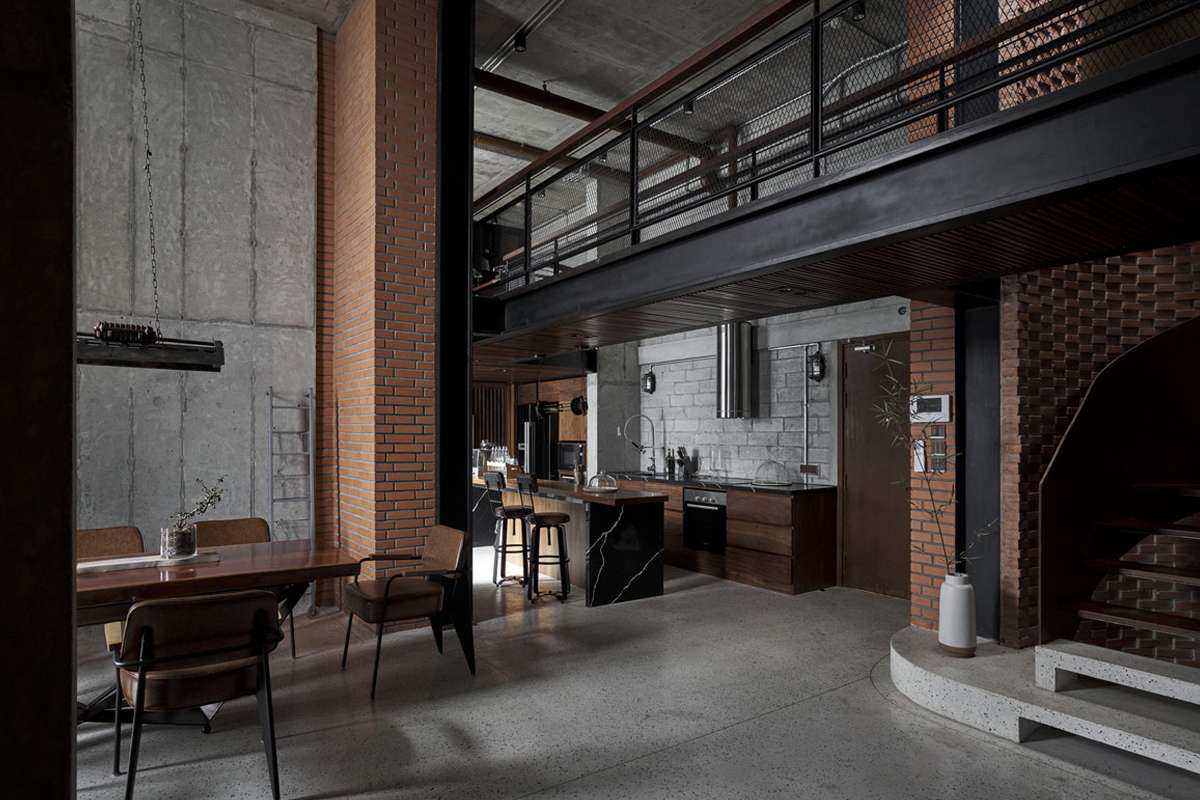
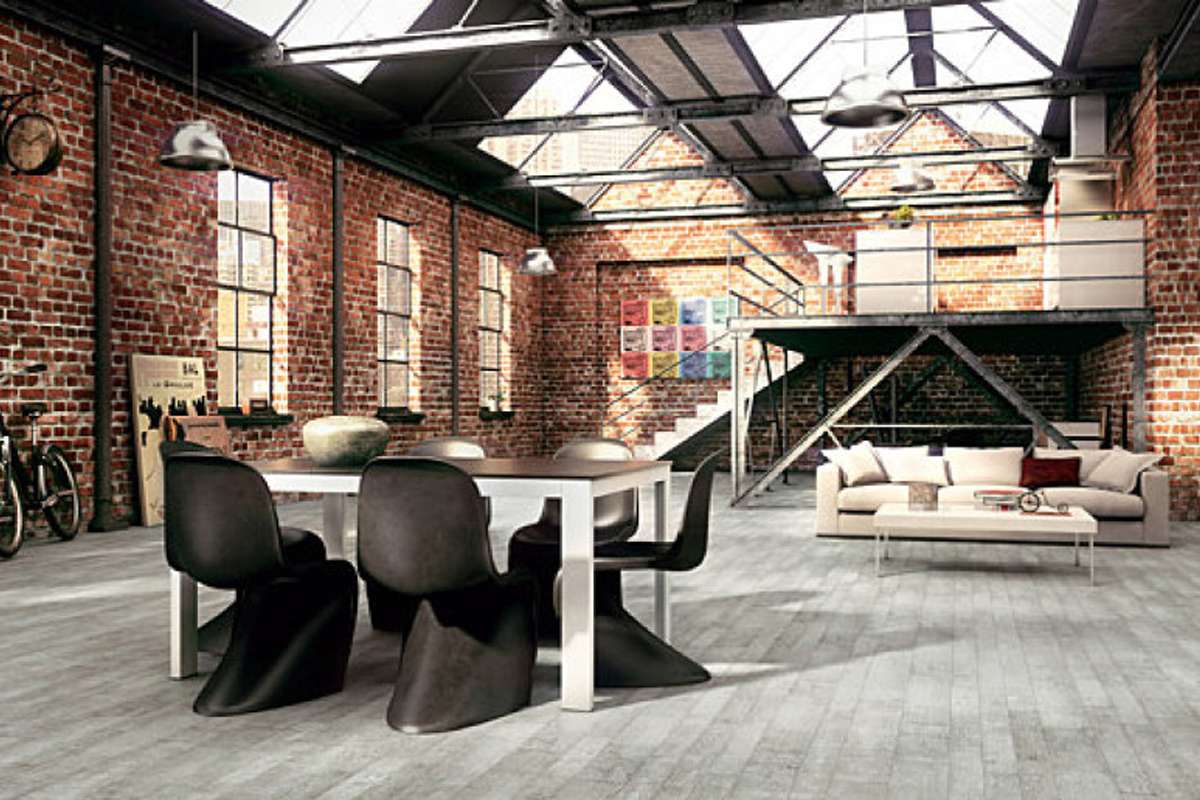
The Second World War, which brought great destruction and a new restructuring around the world, revealed a new production style. A higher quality and faster industrial production has emerged, which pushes more cost into account. New materials such as synthetic adhesives, polyester, acrylic, polyethylene resin were developed for the manufacture of furniture. The turbine factory complex with glass curtain walls, designed in 1909 by German painter, graphic artist, architect and industrial designer Peter Behrens, one of the pioneers of the modern movement, became one of the milestones in the history of architecture. Considered the world’s first great industrial designer, Behrens is known as the father of corporate identity for his work for AEG. In industrial interior architecture, high ceilings, functional furniture, aged wood, brick and metal designs show themselves.
Endüstriyel4
Endüstriyel3
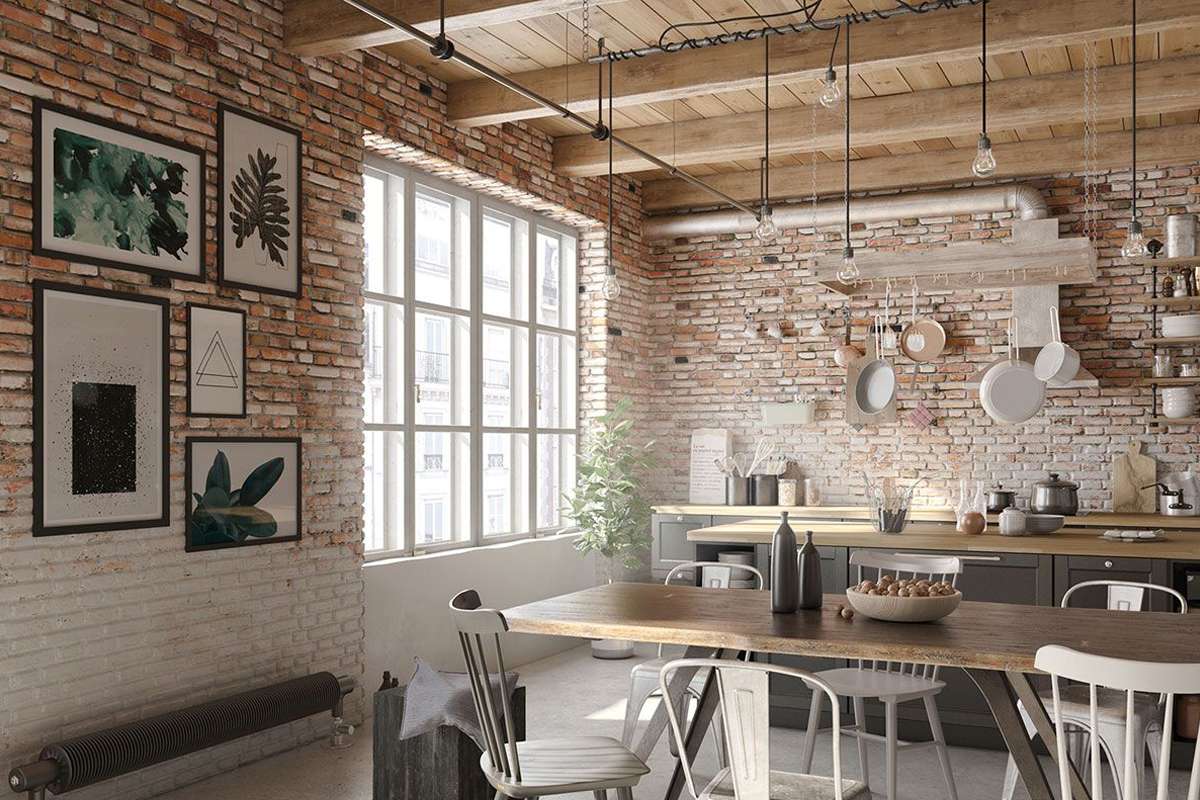
Endüstriyel2
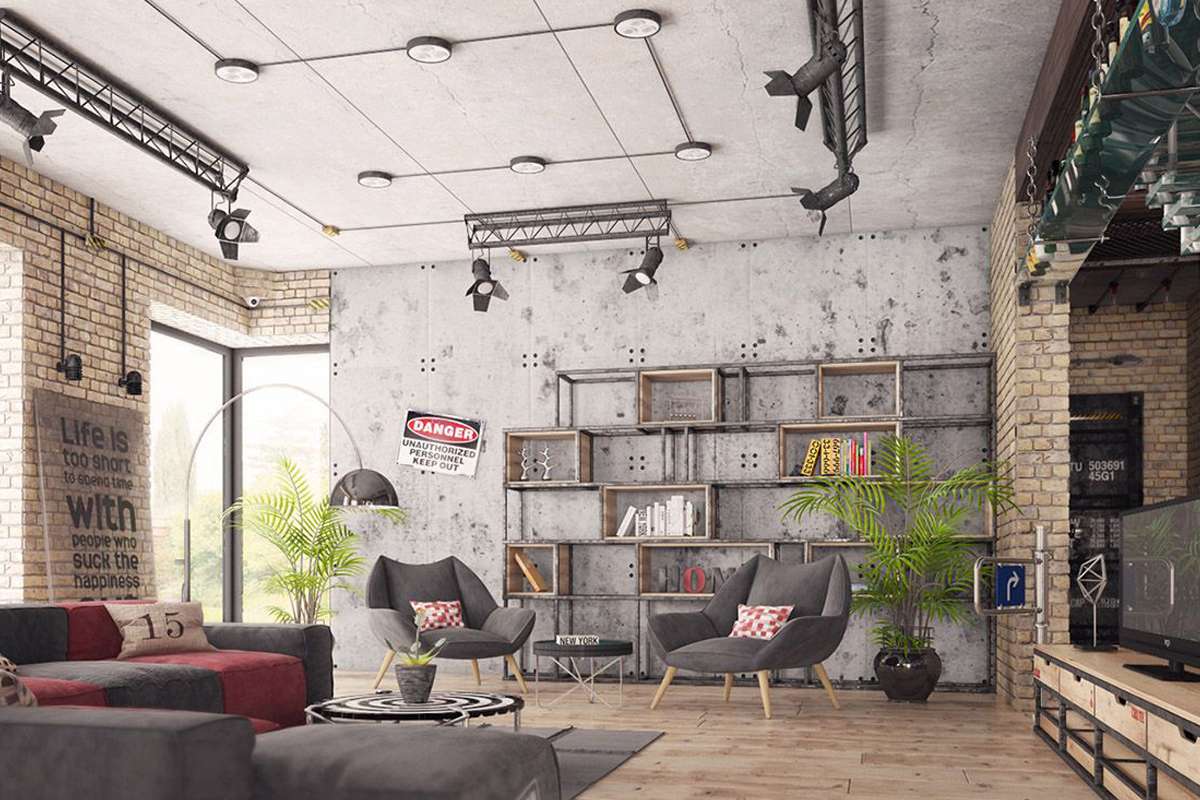
Endüstriyel1
ART NOUVEAU
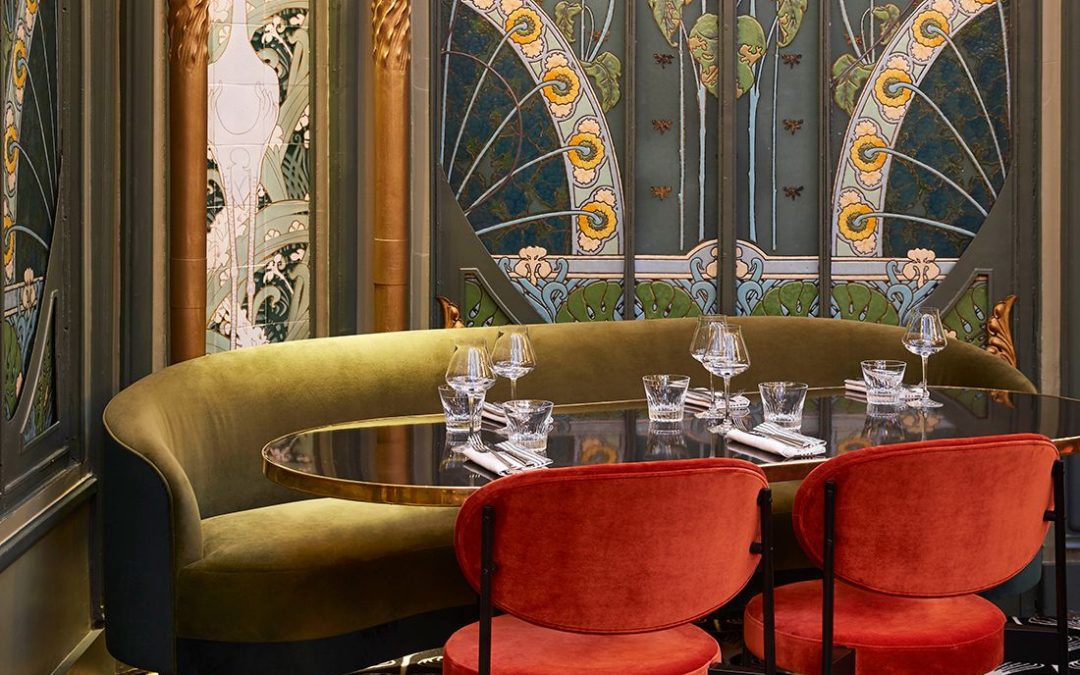
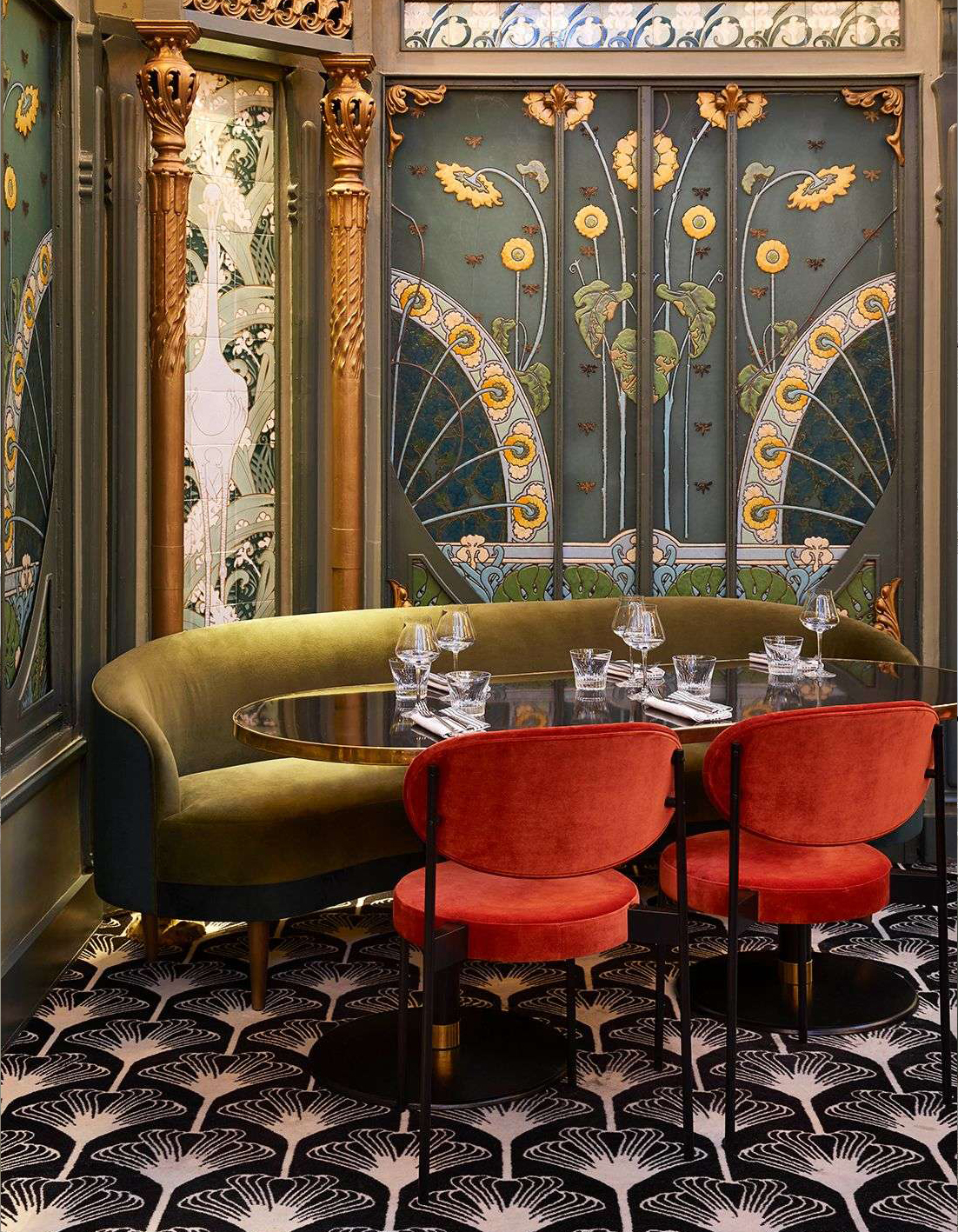
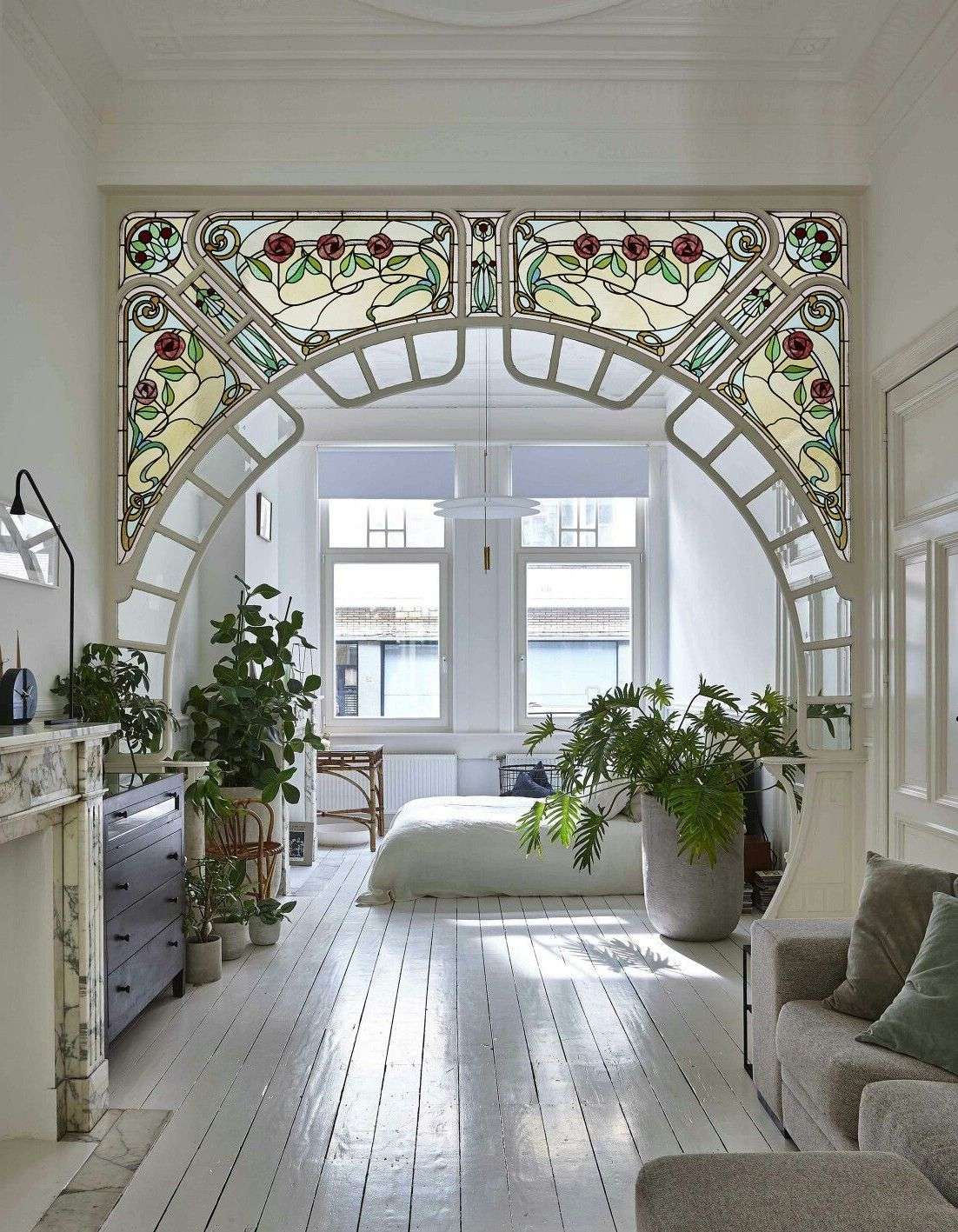
“Art nouveau”, which means “new art” in French, is a trend in which curvy lines, plant and elegant animal motifs, and female figures are used extensively in artworks and designs. The movement, which lived its golden age at the end of the 19th century and at the beginning of the 20th century and rejected all historical references, shed light on modernism by focusing on human and human life. Art Nouveau furniture is designed to integrate with the space they are in. Decorative elements on furniture surfaces are repeated on the floor, wall and ceiling. Curtains, carpets and upholstery fabrics are also woven to maintain this harmony. On the other hand, these furnitures are also used to divide the spaces they are in. Furniture can be designed in a complex structure to fulfill different functions. In this movement, functionality and spatial integrity are at least as important as artistic expression. Hector Guimar, Eugene Gaillard, Emile Gallé, Louis Majorelle, Victor Horta, Henry van de Velde, Antoni Gaudi, Charles Rennie Mackintosh are the most important representatives of this movement. The chair that Mackintosh designed for Hill House in Helensburgh in 1904 is a special example. Art Nouveau showed itself in architecture, jewelery and jewelery design, glass art, ceramics and poster designs. At the beginning of the 20th century, architect Adolf Loos’ manifesto “Ornament is a crime” clearly explains the importance given to simplicity. According to Loos’ understanding, an architect should not only design buildings, but also the furniture and other objects in them. This period is considered as a stage that pioneered the birth of modernism with the furniture designs free from ornaments made by Cubist designers, especially Joseph Gocar. Essentially, cubic furniture was influenced by cubic architecture. Today, it is possible to see the most original examples of this genre in the Prague Cubism Museum.
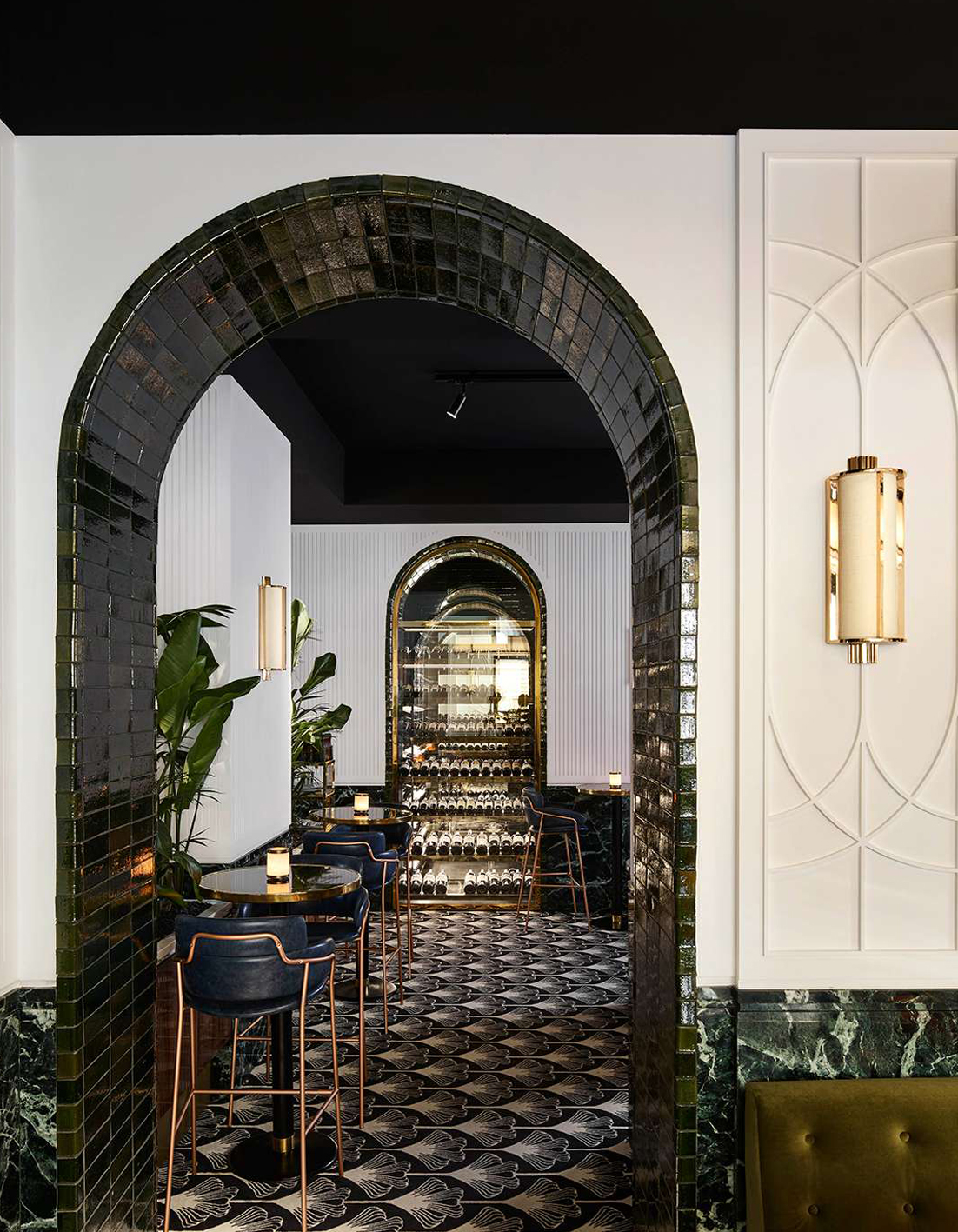
Nouveau4
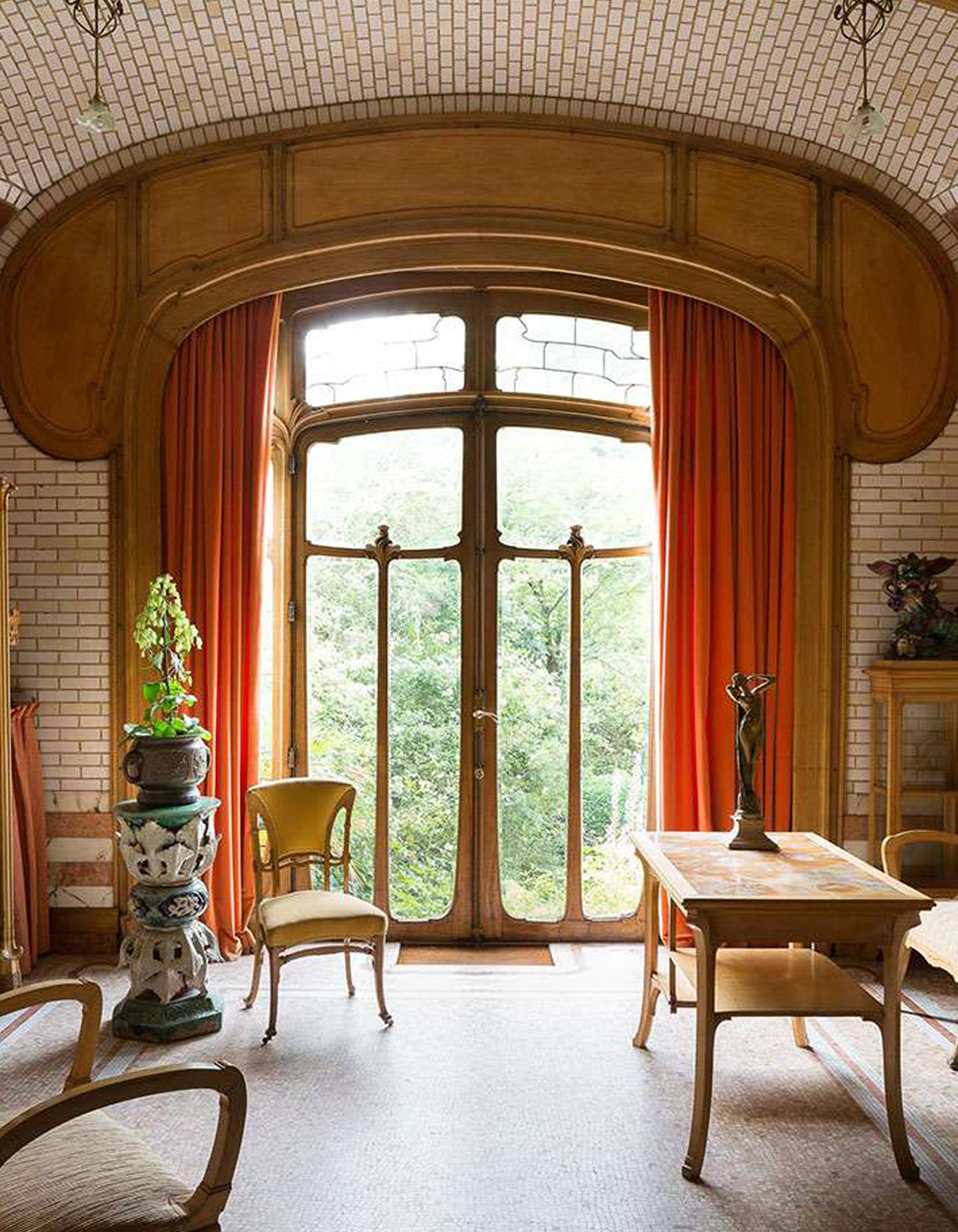
Nouveau3
Nouveau2
Nouveau1
ART DECO
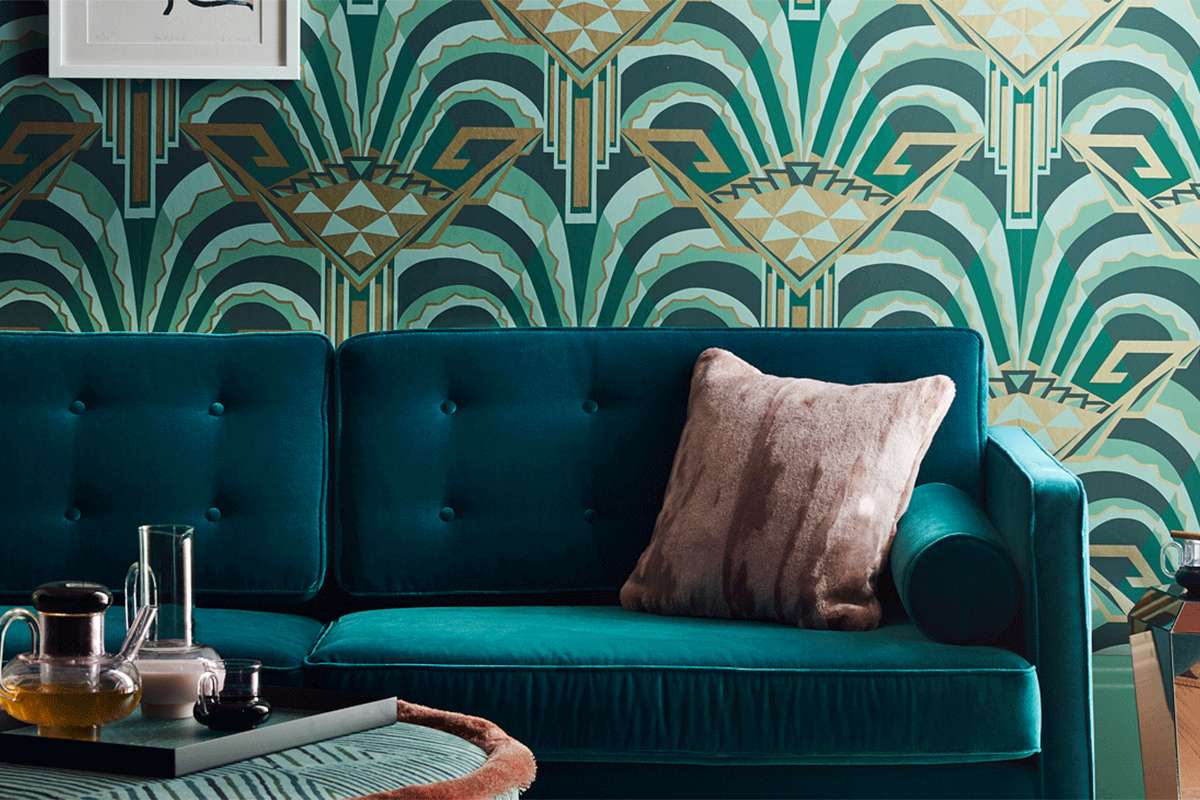
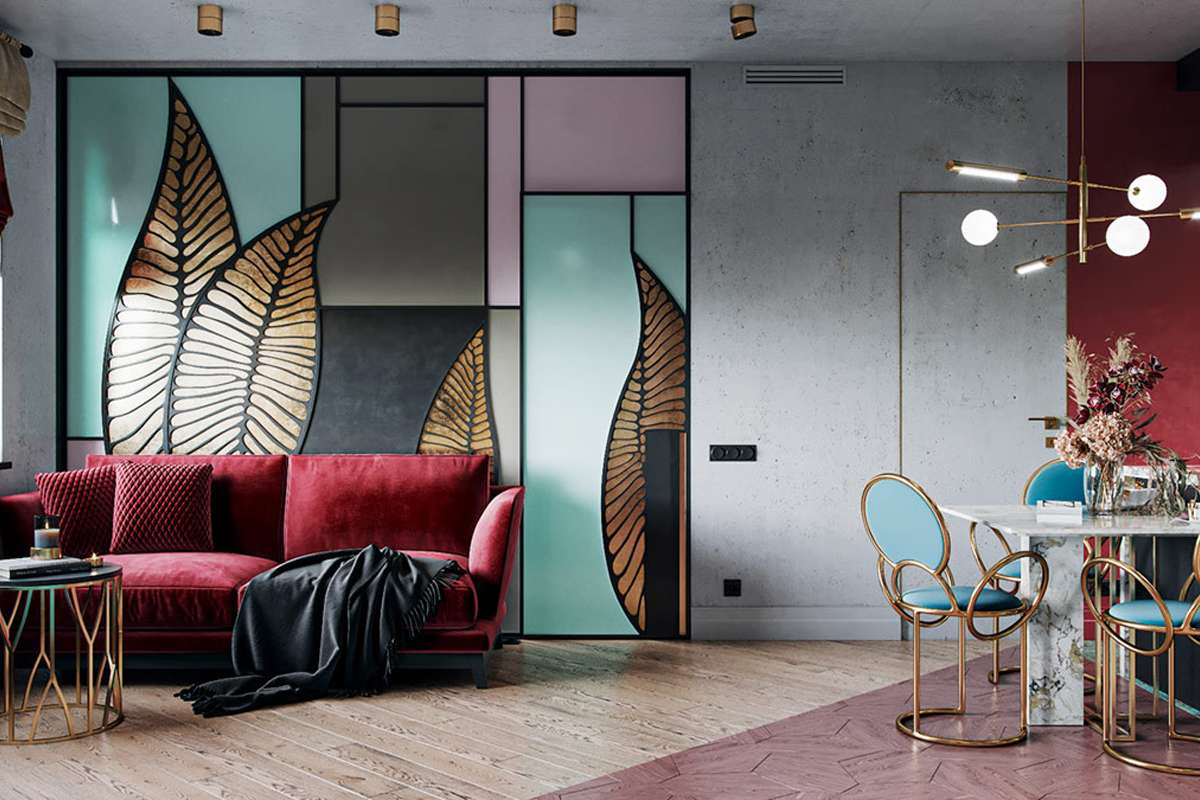
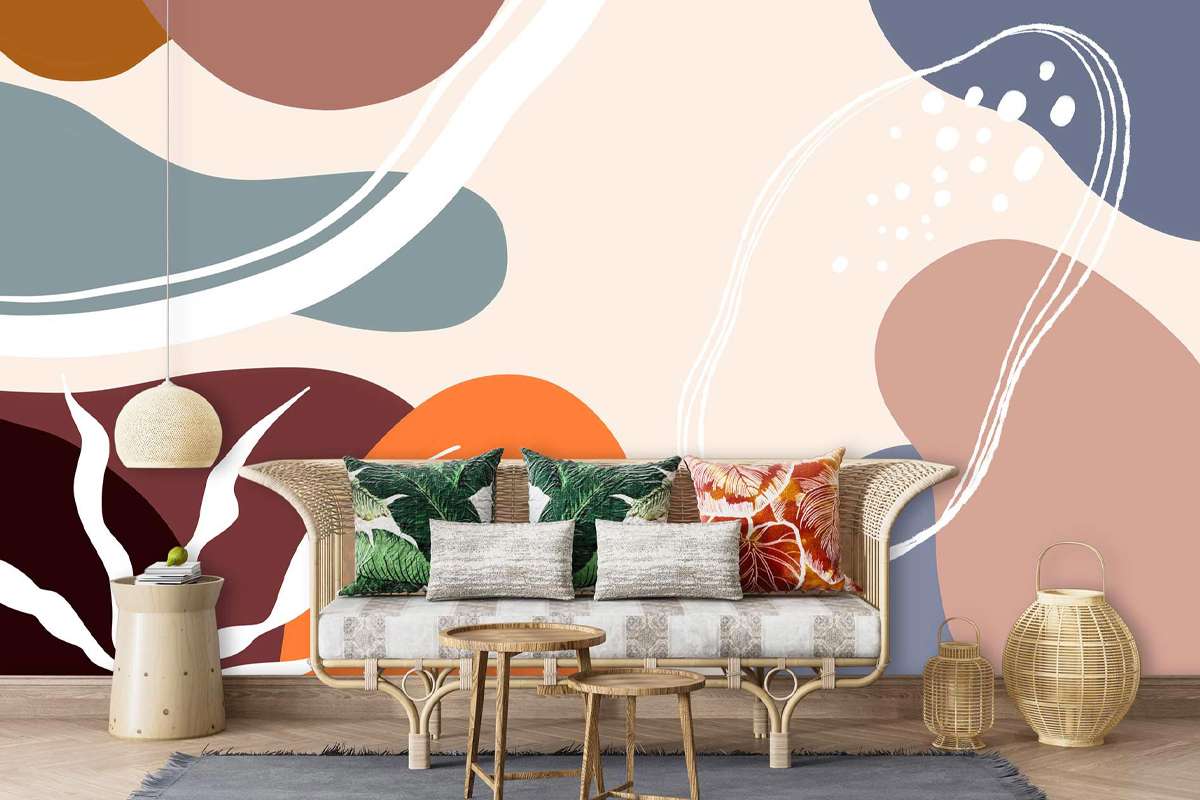
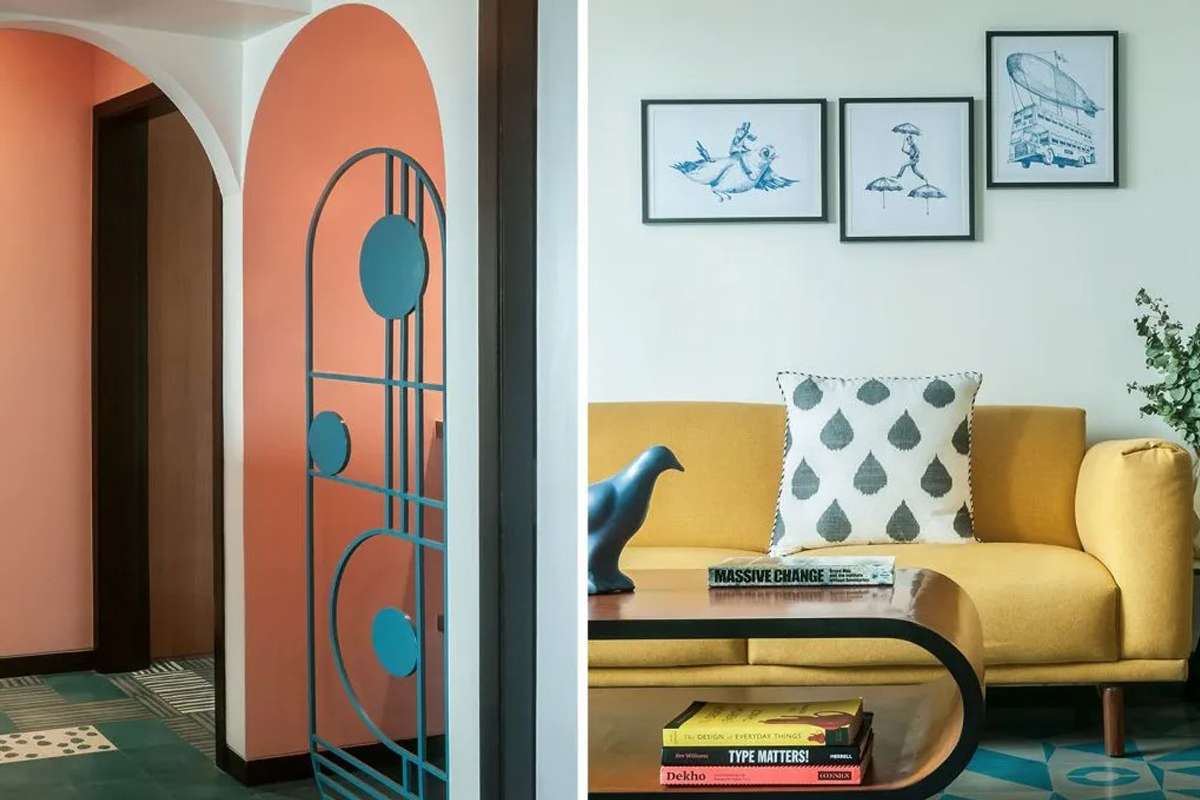
The Art Deco movement, which was born in Paris and spread all over Europe, followed the Art Nouveau movement. In this style with geometric patterns, gothic ornaments were used as in Art Nouveau. After the 1930s, the trend came to an end when the decoration was replaced by functionality. However, with the release of the movie “Bonnie and Clyde” in 1967, the Art Deco movement became popular again. In this period, when the Pop-Art movement continued in design, art and culture, Art Nouveau lines came to the fore again along with Art Deco. Along with the post-war Modernism movement, he was influenced by art movements such as Futurism, Cubism, Purism, and Fauvism. In the furniture produced with this movement, mother-of-pearl, ebony, ivory, silver, gold, leopard and tiger skins as well as silk fabrics with bright colors were the most used materials. Despite having traces of past art movements, the main feature of Art Deco style was that it turned its face to the future. Despite being conceptually weak compared to previous styles, Hollywood films played an important role in making it widespread. Art Deco designers produced with traditional techniques used by old palace furniture makers. In the furniture they used boards about three centimeters thick, which they created with various layers. On the surfaces, decorations made with the marquetry technique were used. Great importance was attached to the trees used in the manufacture of furniture; veneers obtained with sections of roots, gnarled branches and stems showing distinctive patterns were preferred. Before the 1930s, furniture made of trees such as mahogany, ebony, African olive, rosewood adorned the spaces. Léon Jallot, Jacques-Emile Ruhlmann, Eileen Gray, Andre Leleu are among the important furniture designers of the period.
ArtDeco1
ArtDeco2
ArtDeco3
ArtDeco4
SCANDINAVIAN MODERNISM
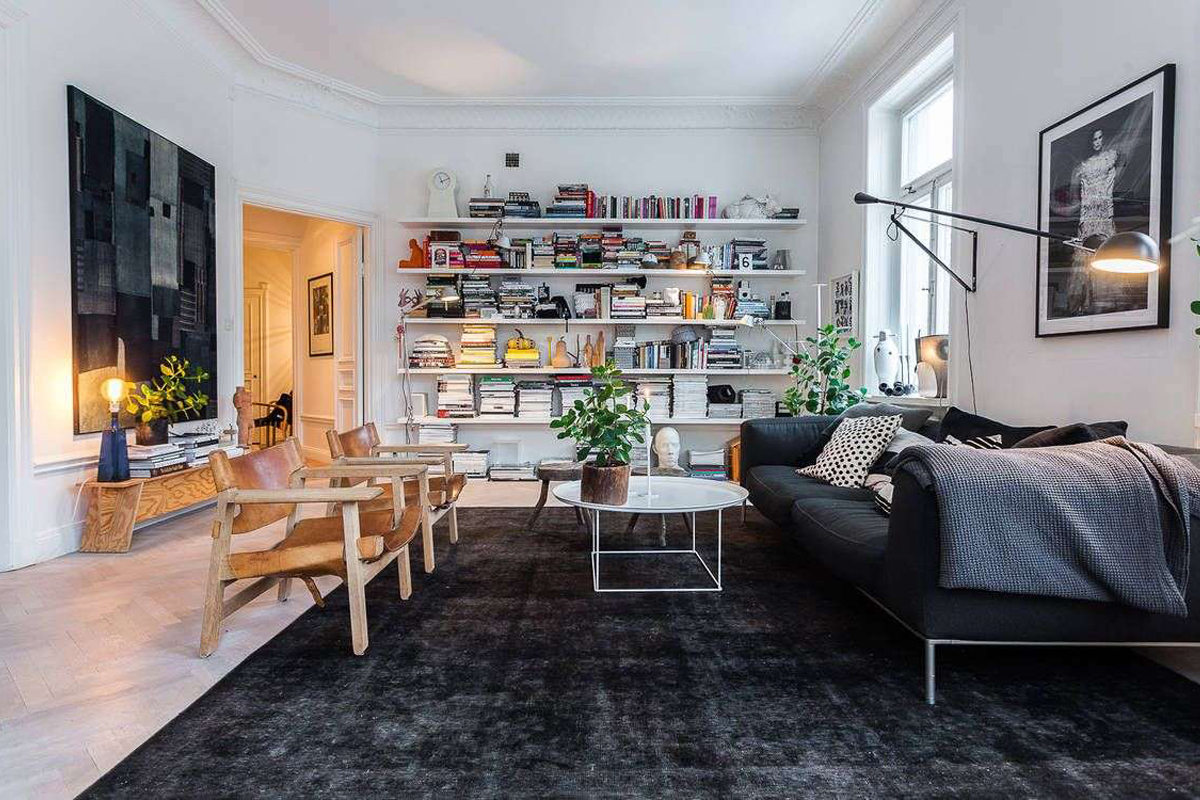
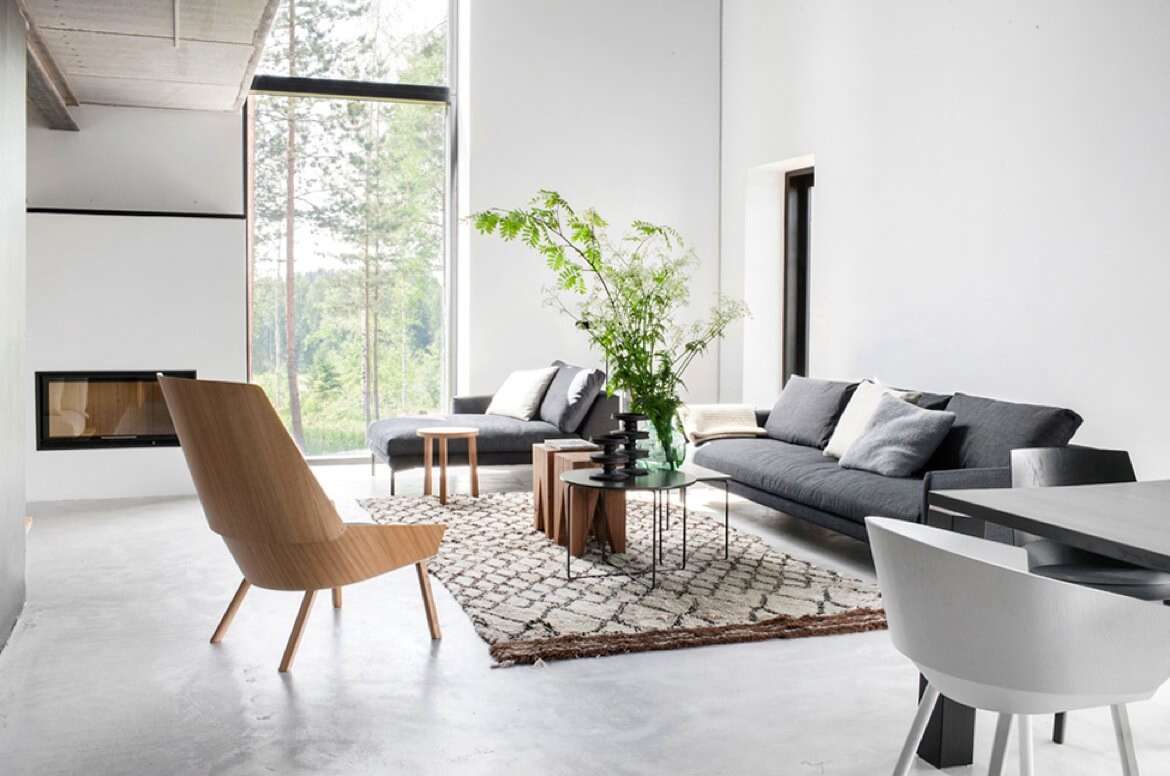
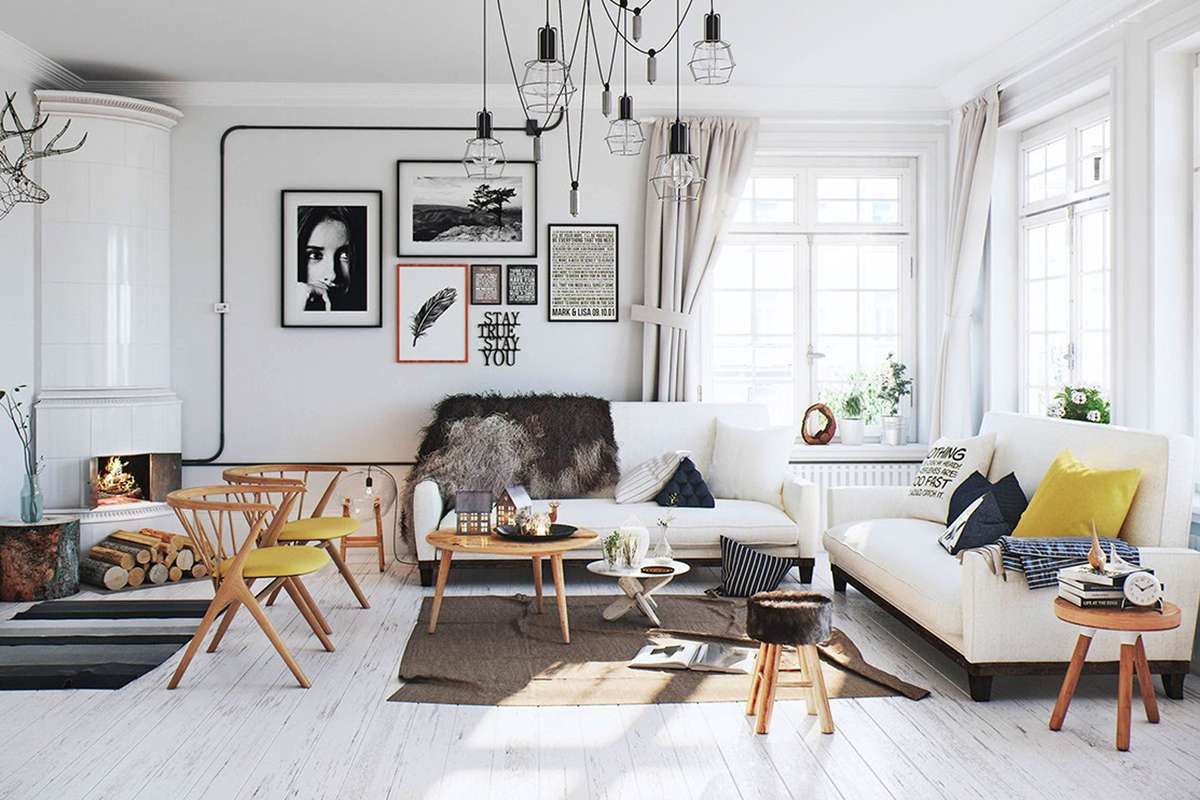
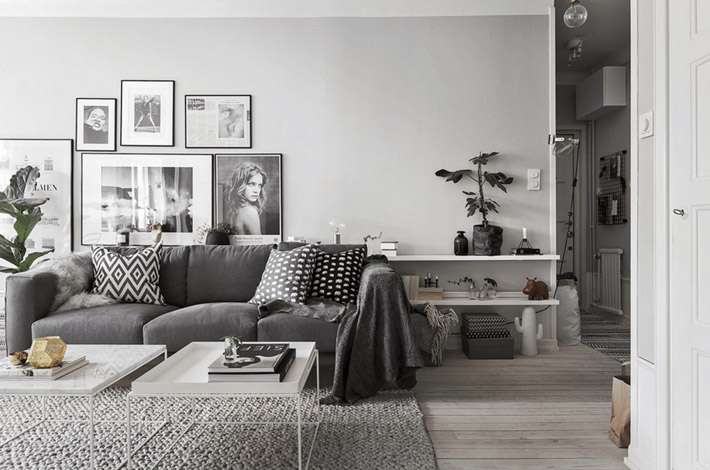
“Scandinavian Modernism”, also known as “Scandinavian Design”, is a design movement characterized by simplicity, minimalism and functionality that emerged in the early 20th century and developed in the five Scandinavian countries after the 1930s: Norway, Sweden, Finland, Denmark and Iceland. . The Lagom philosophy, which means “neither more or less, just right” in Swedish and accepted as the essence of a happy and balanced life in Nordic culture, has been an important source of inspiration for Scandinavian modernism. The magazine “Danish Selskabet for Dekorativ Kunst”, published by a company in Denmark in 1914, pioneered the birth and spread of this style. From the 1930s, designers such as Alvar Aalto, Hans Wegner, Arne Jacobsen, Borge Mogensen, Verner Panton, Eero Arnio and IKEA founder Ingvar Kamprad, inspired by the Lagom philosophy, brought the Scandinavian style to its golden age. In this style, which does not include any unnecessary details, natural and artificial wood materials are used as basic materials. They presented the best examples especially in the use of plywood. One of the prominent features of this style is that it has a neat and tidy appearance. For this reason, it is prioritized that the furniture is functional and its skeleton is perceptible. While metal and glass materials are predominantly used in Modernism, the rarest examples of natural wood and composite wood material technology are presented in Scandinavian Modernism.
iskandinav-dekorasyonu-4
iskandinav-dekorasyonu-3
iskandinav-dekorasyonu-2
iskandinav-dekorasyonu-1
MINIMALISM
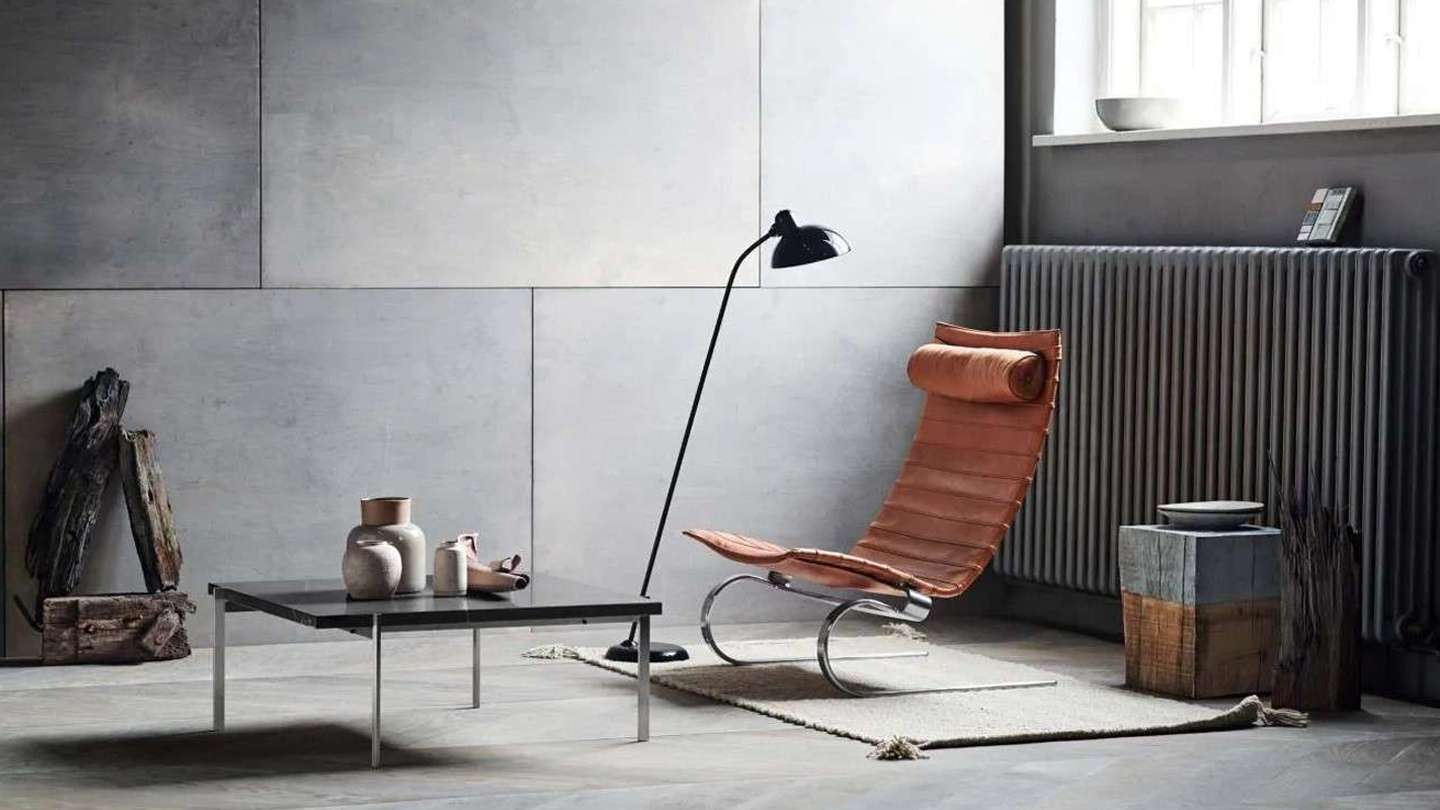
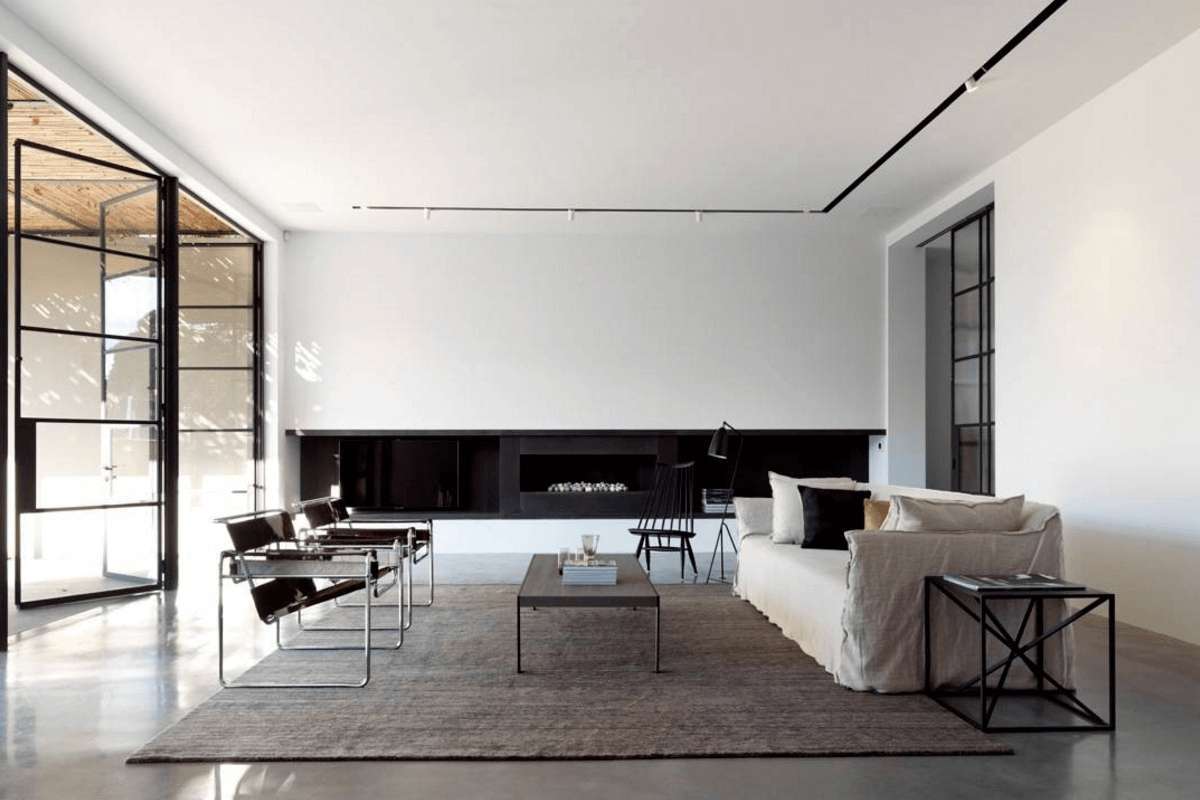
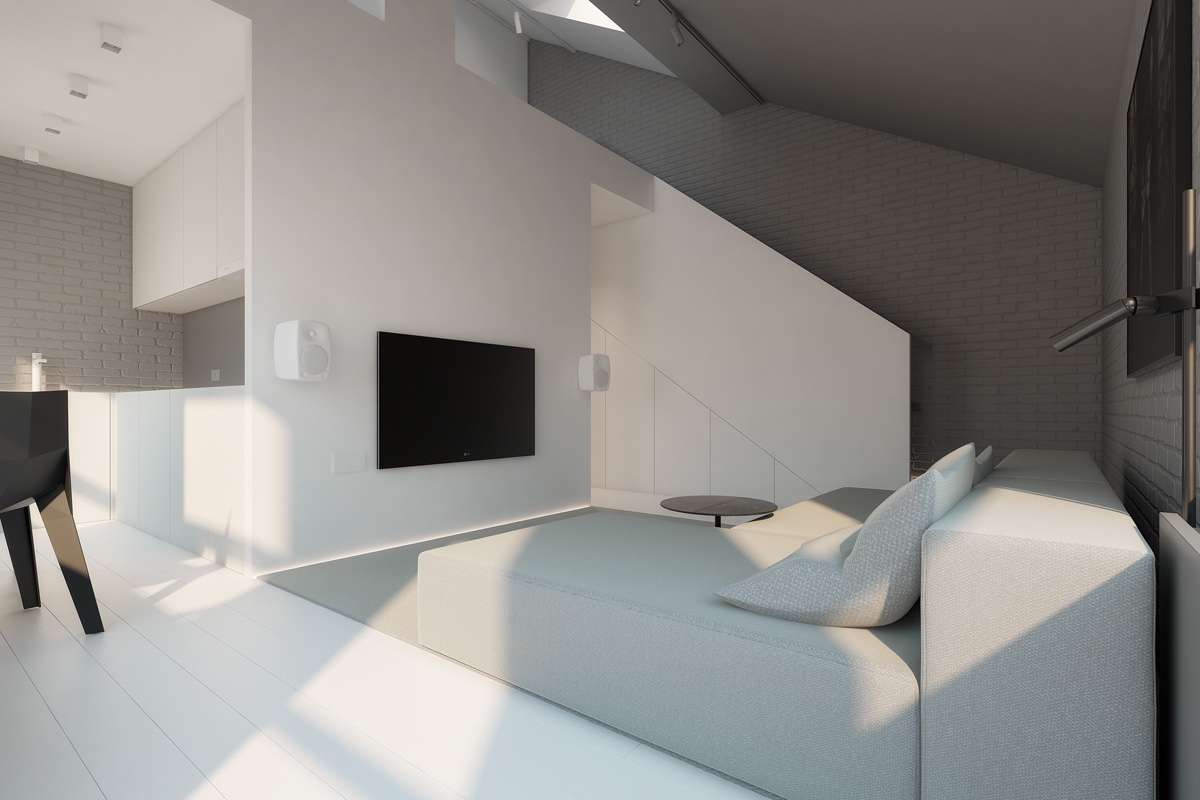
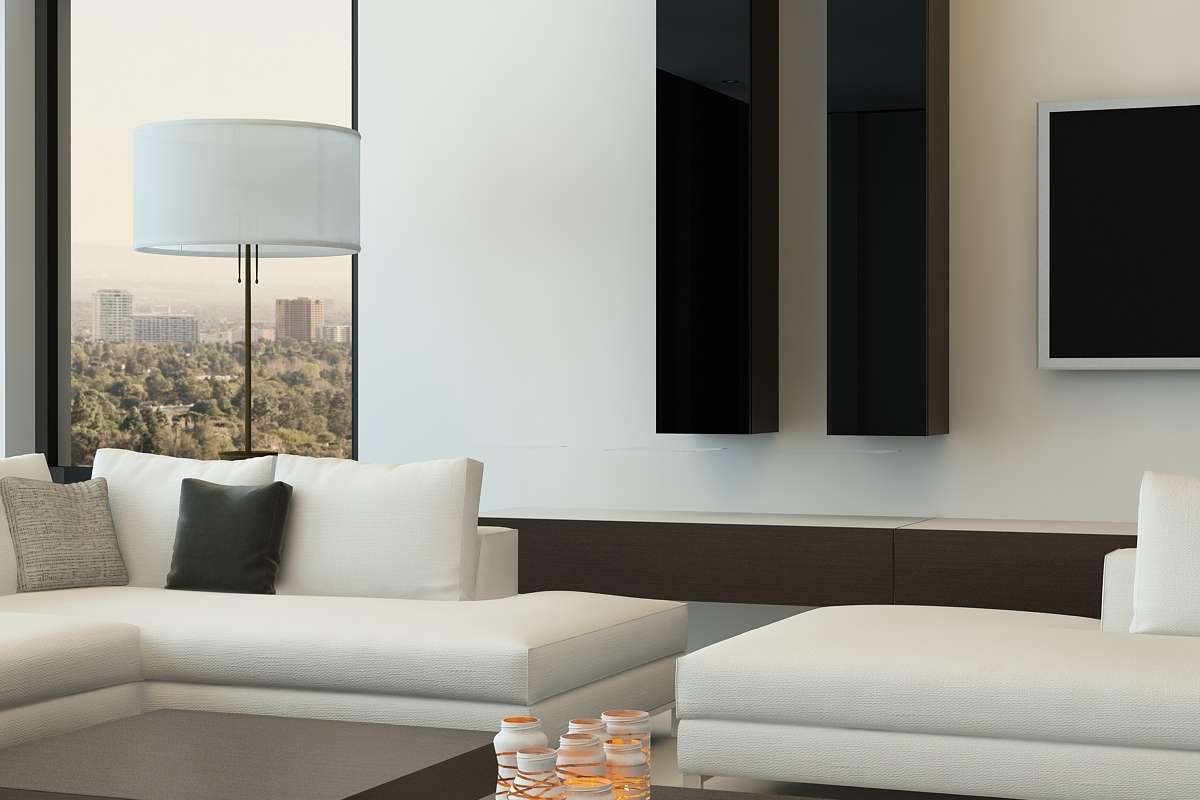
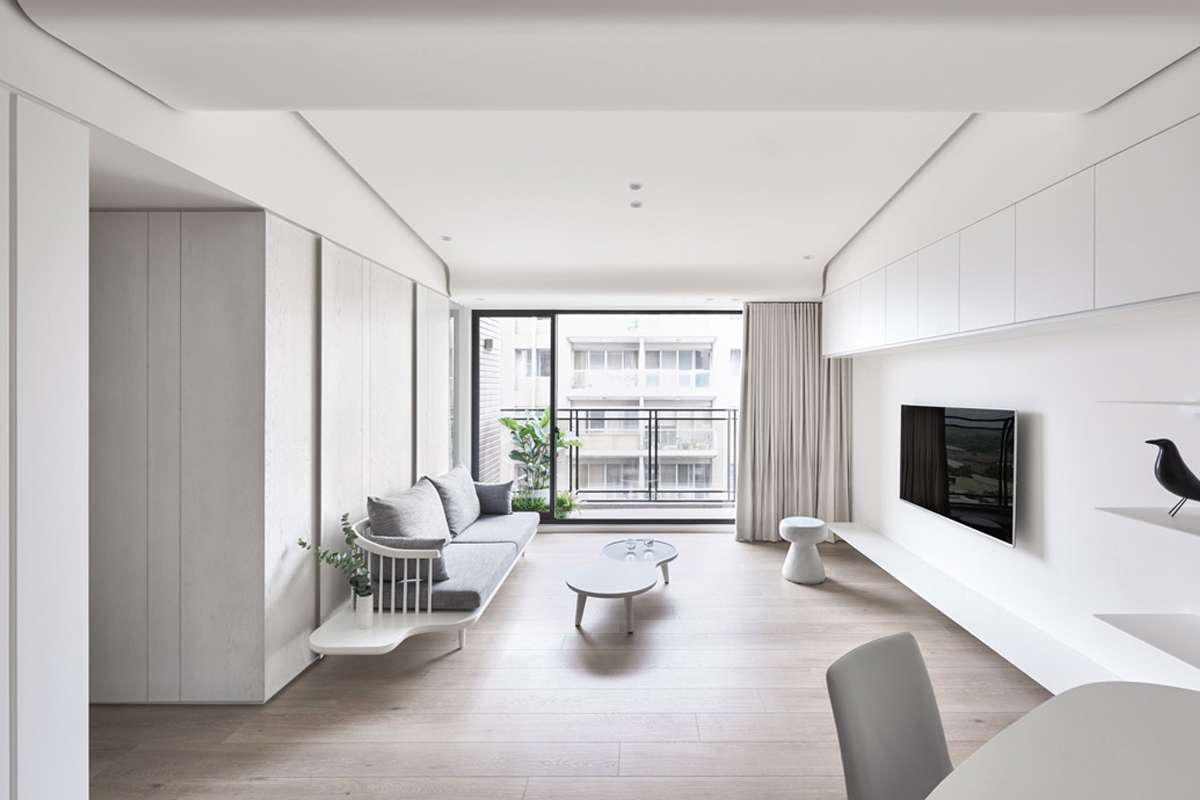
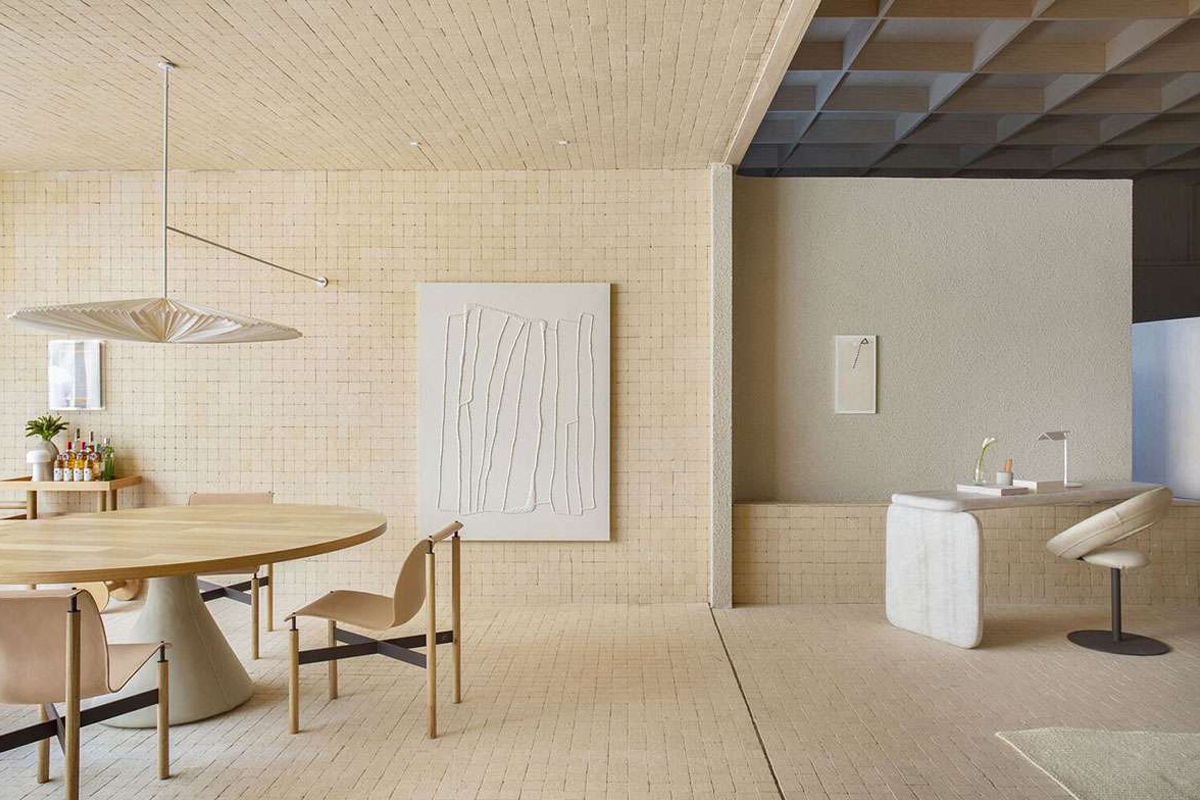
The enormous simplicity of design, which started in the late 1980s, took the whole world under its influence. Following the groundbreaking words of German architect and designer Mies van der Rohe, “Less is more”, architect Buckminster Fuller supported minimalism with the words “Doing more with less” and designer Dieter Rams saying “Less is better”. Moreover, by the 90s, consumers who had seen all kinds of designs, whose needs were met, and who were quite saturated, were also bored with ostentatious but useless furniture. For this reason, simple, useful and inexpensive designs were needed. Technological developments made project design and production easier. Thanks to the new artificial materials, the thin legs of the furniture could carry loads, and the requirements such as ergonomics, flexibility, permeability and transparency, which should be in furniture with a single piece of plastic, could be met. In fact, the minimalist furniture concept started with Bauhaus and continued with modernism. The principles of minimalist furniture production in monochrome, transparent and integrated look contain serious directives: reduce forms, limit color palettes, eliminate waste. In short, minimalism; is to express a design by reducing it to a minimum number of colours, values, forms, lines, textures and materials.
Minimalist-1
Minimalist-2
Minimalist-3
Minimalist-4
POP-ART
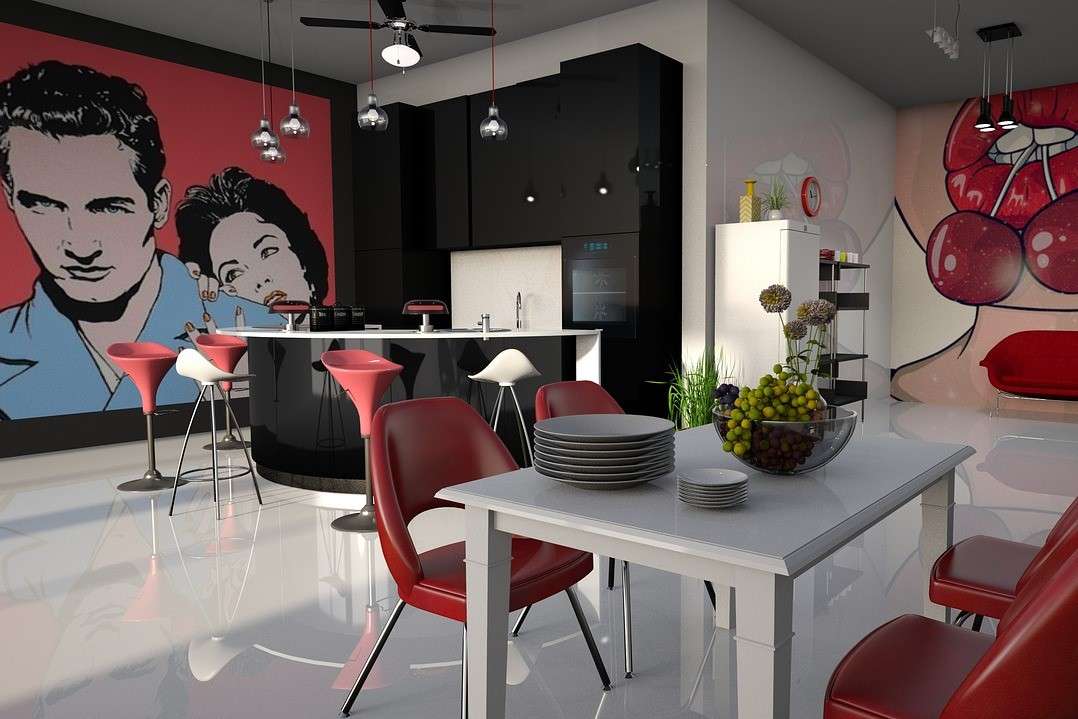
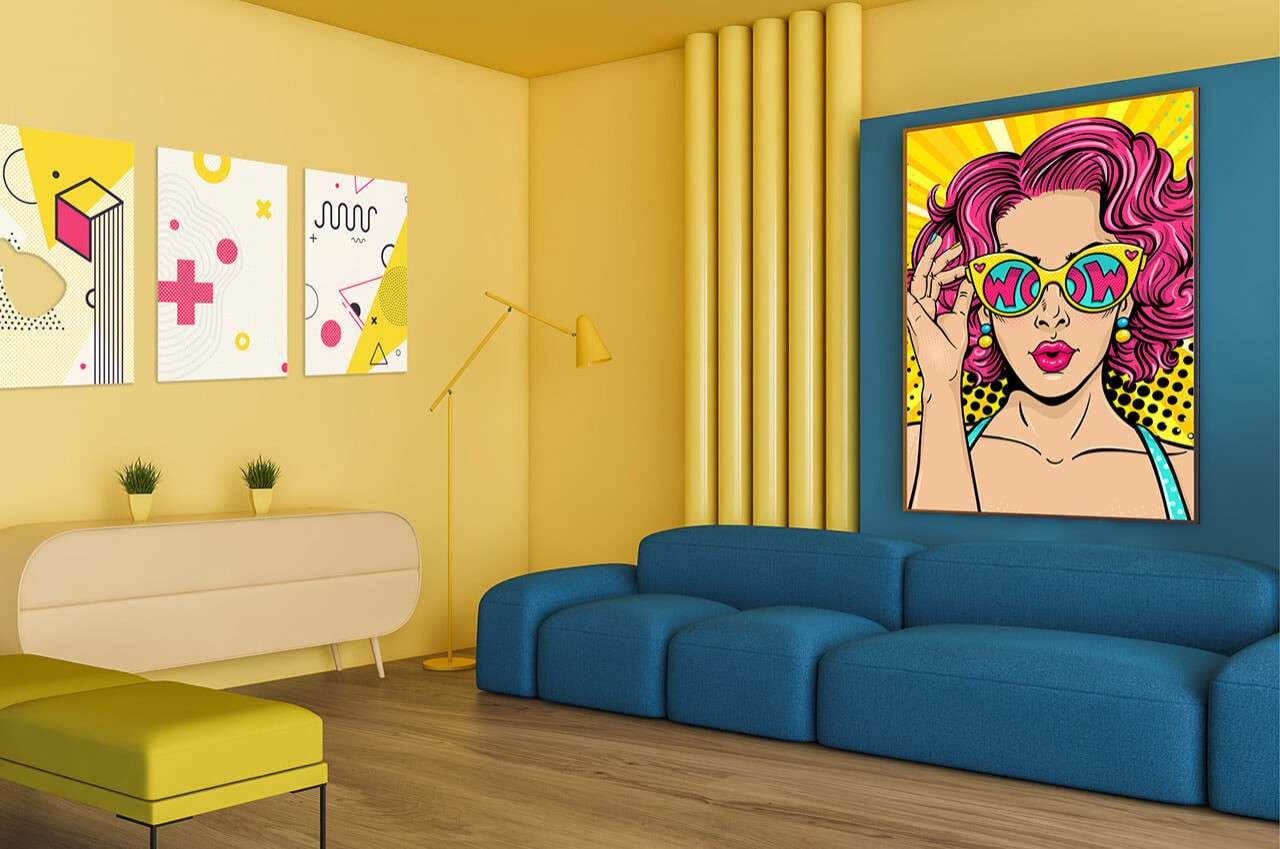
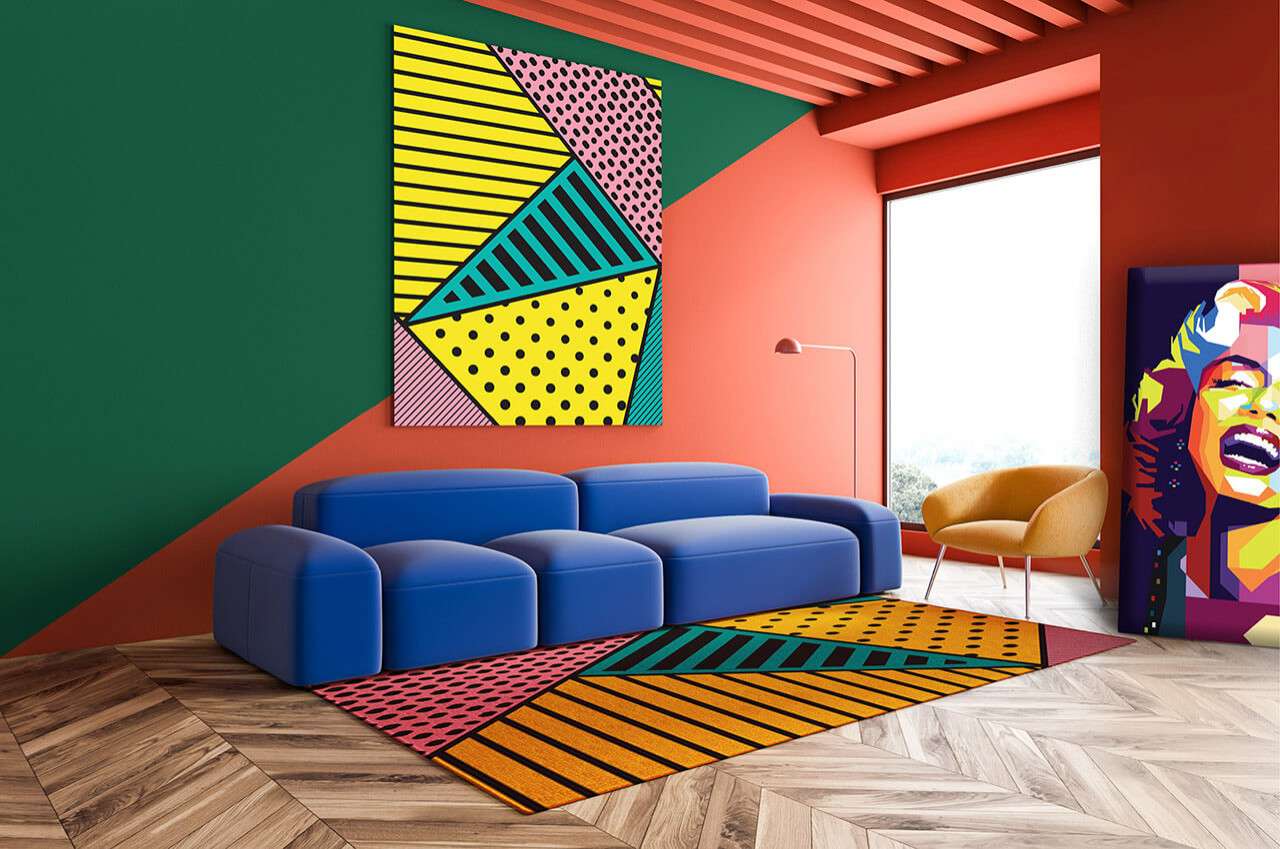
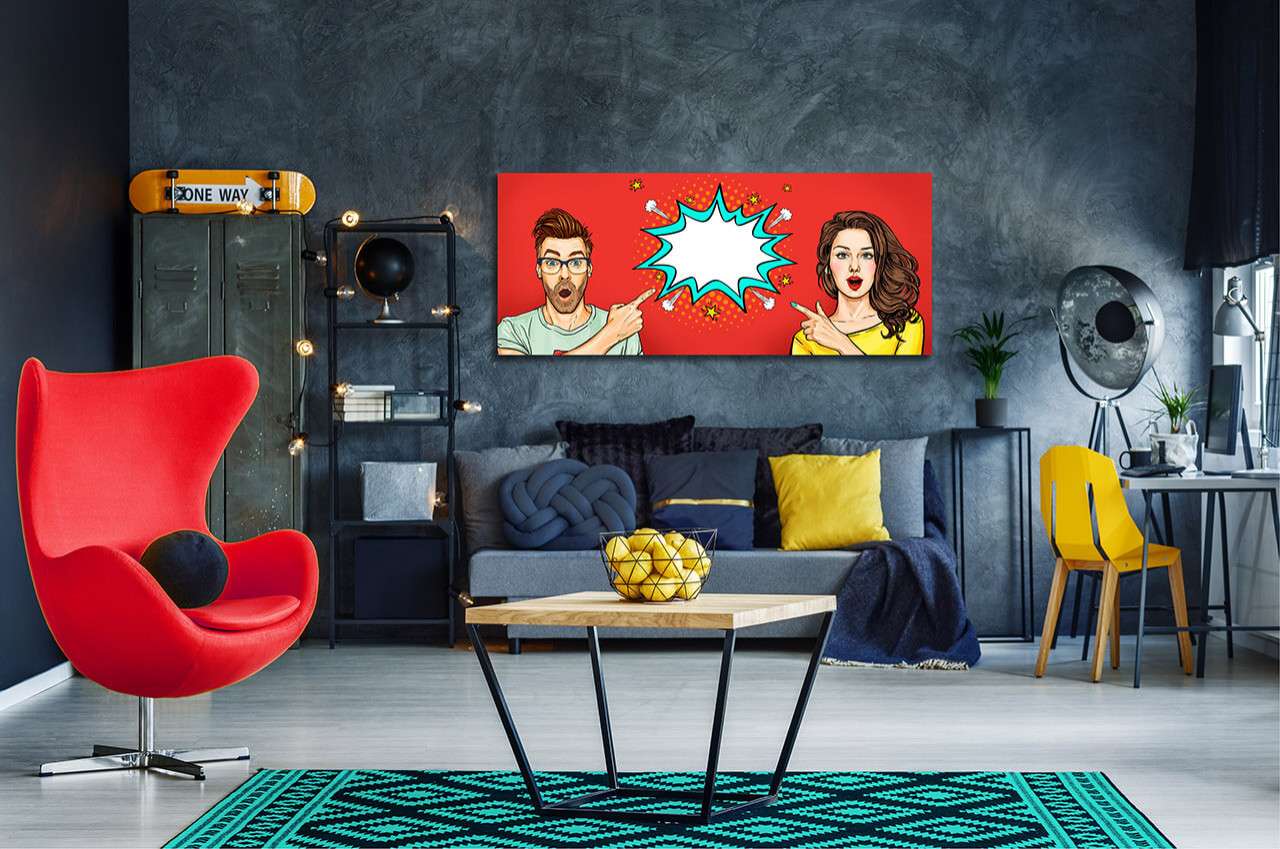
“Pop”, which is an abbreviation of the word popular meaning “known by everyone, widespread”, became the name of an art movement when it was used by American critics in the 1960s. Its most important representative is the American painter, publisher and filmmaker Andy Warhol. The artists of this movement focused on the ordinary objects used in daily life, the events repeated in the media and the people of interest in their works. Not limited to illustrations, the artists produced works in all fields of art, including cinema. This trend was reflected in furniture design in a short time. Plastic materials took the leading role in pop design. In the 60s, fun, colorful, toy-like items and furniture were seen that reminded the popular themes of the period. Table, chair and hanger consisting of nude female figures made by British sculptor Allen Jones with plastic material; An example of this trend is the baseball glove-shaped armchair named “Joe”, dedicated by Paolo Lomazzi to Marilyn Monroe’s wife and baseball player Joe di Maggio. British painter Richard Hamilton described Pop-Art as “a ephemeral, expendable, inexpensive, industrial, youthful, witty, sexually appealing, glamorous and profitable work for the public”. George Nelson, one of the most important designers of the movement, constantly discovered technology and ideas, and brought these ideas together with his designs. Makepeace, Fred Baier and Alan Paters are among the other important designers of this movement.
pop-art-style-1
pop-art-style-2
pop-art-style-3
pop-art-style-4
HI-TECH
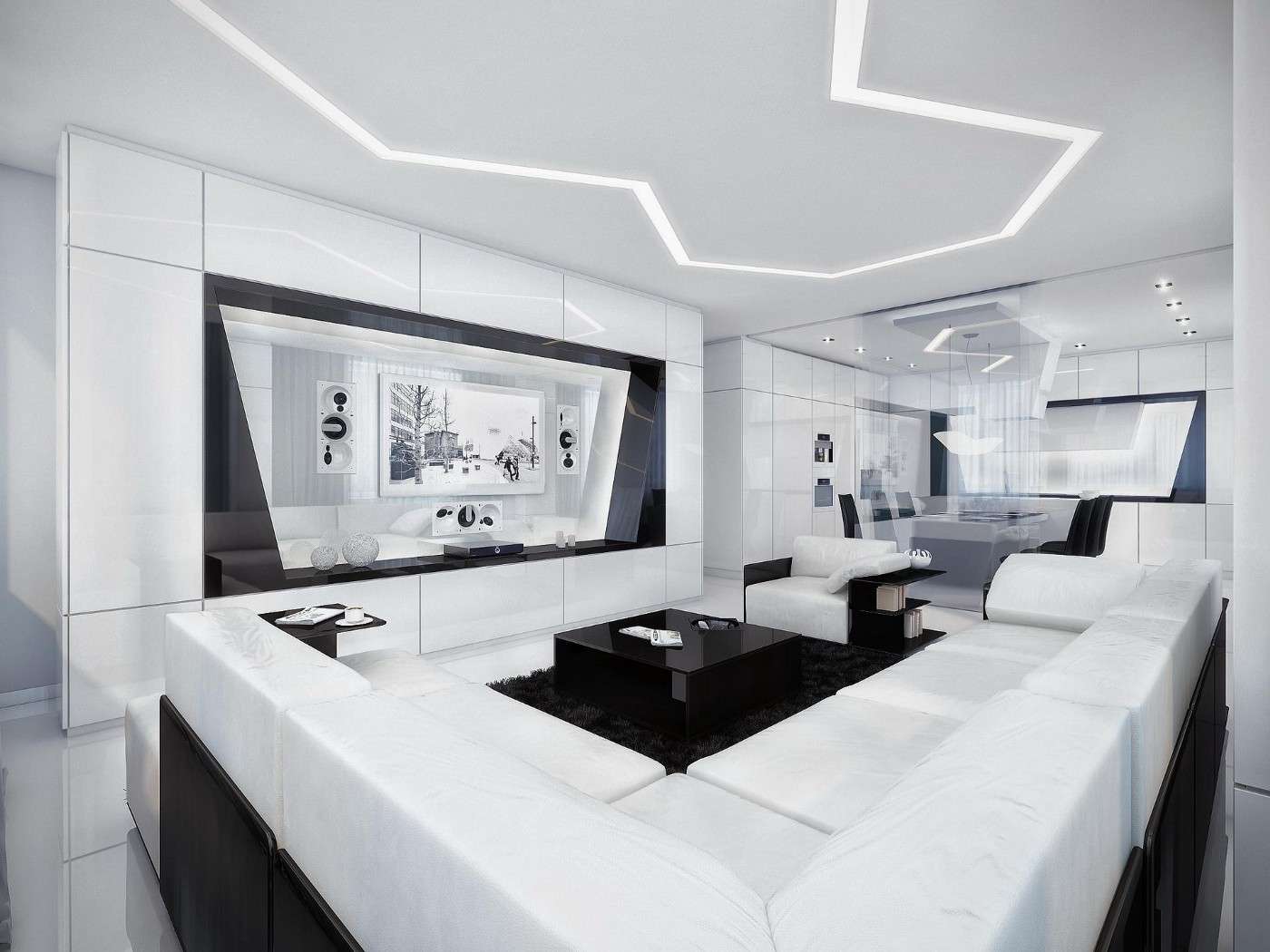
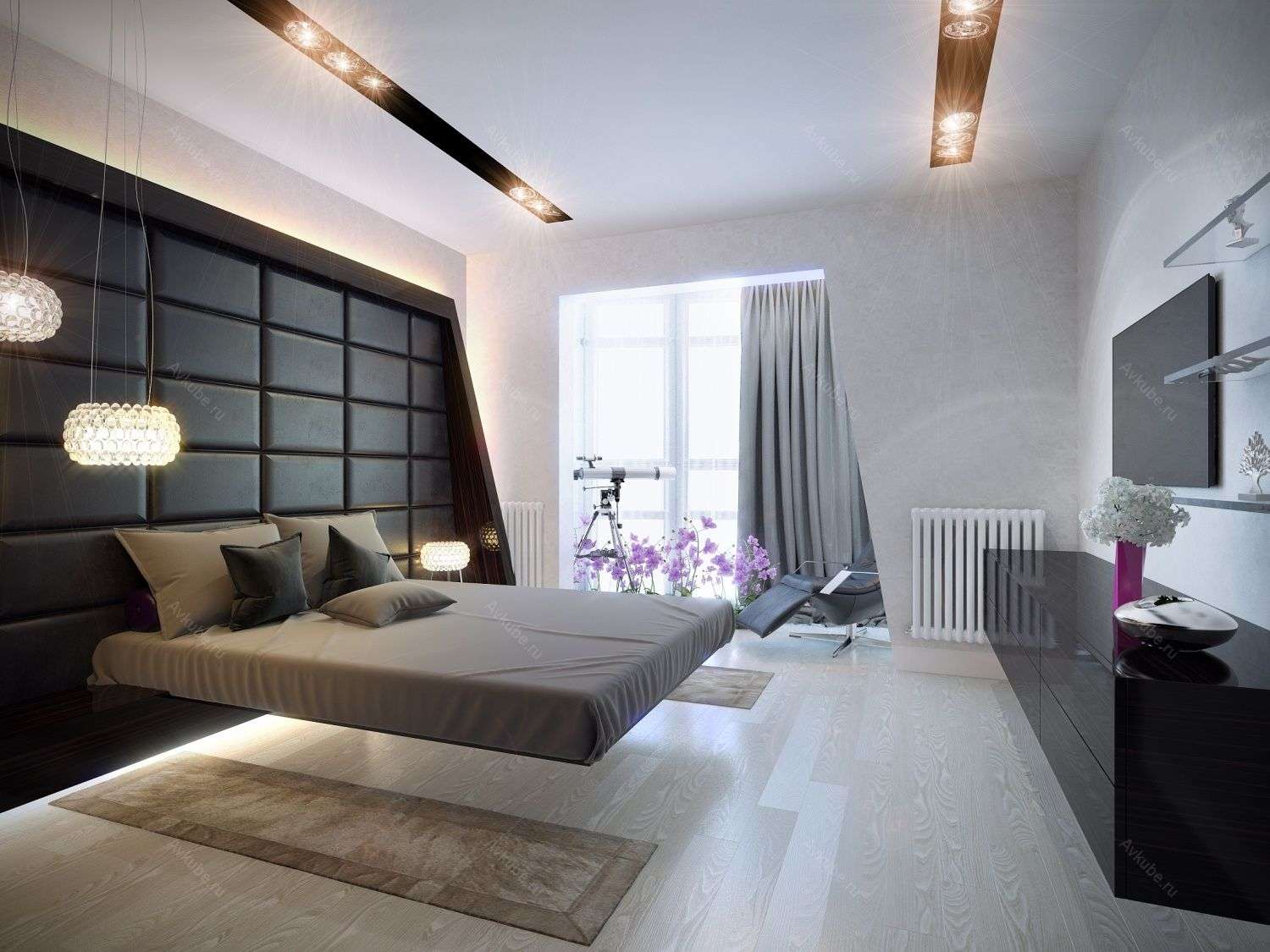
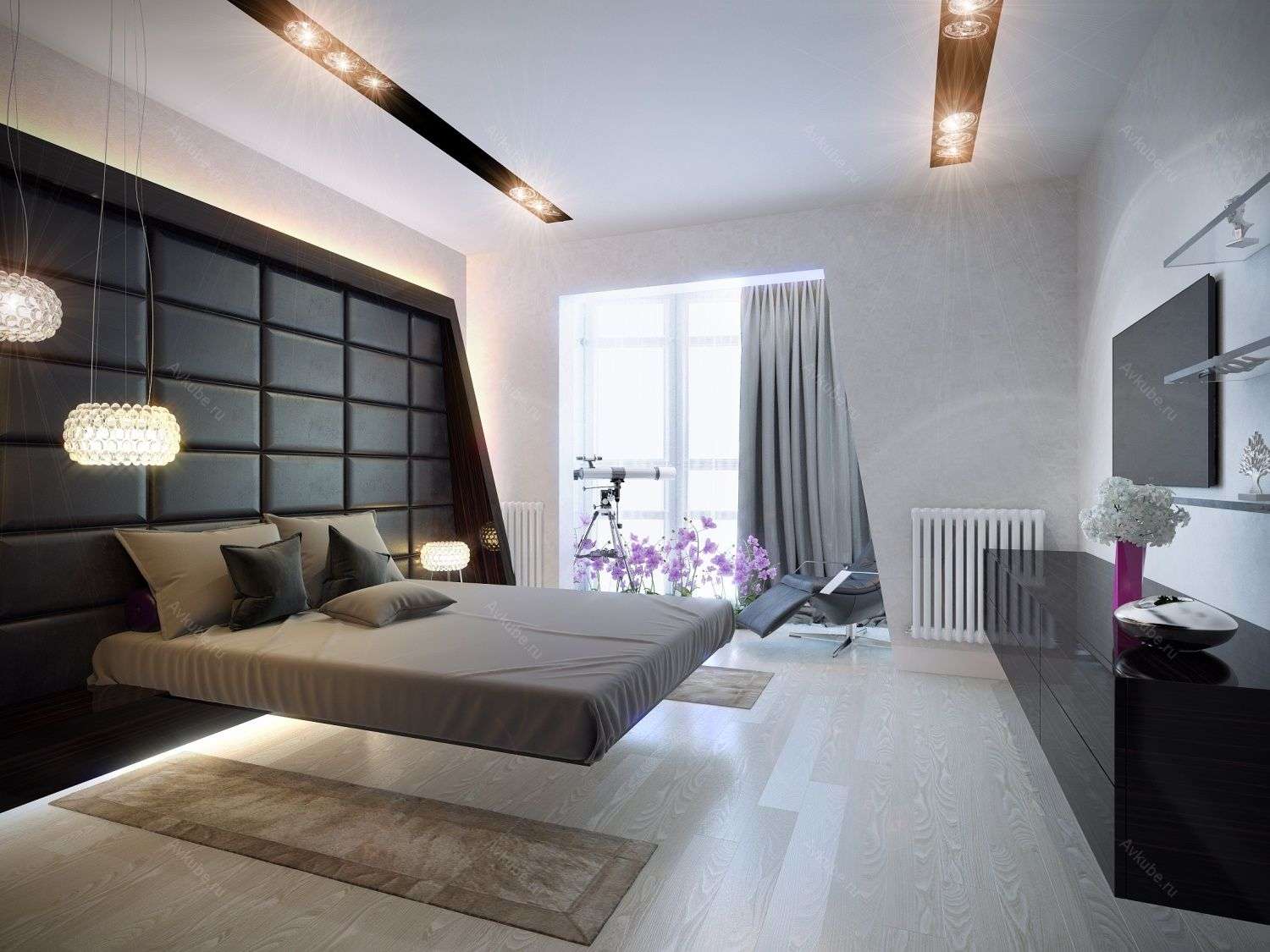
The term, which is an abbreviation of the English words “high technology”, is used for furniture and spaces created with processed materials such as industrial metal, glass and plastic. The trend emerged in loft-style spaces created in disused industrial buildings in big cities in the second half of the 20th century. Loft housing concept; It reflected the vision of a unique house that can be changed, suitable for personalization, not limited by walls, with a single space organization. These large spaces, which were rented cheaply in the 1950s and 60s, served as workshops for artists. This style, which emerged for economic reasons and spread to the world in the 1970s, inspired some designers who were tired of utopian pursuits and colorful furniture such as toys. Tables and benches, shelves on the walls and mezzanines as bedrooms and offices in high-ceilinged spaces were created with the structures (skeleton) made of construction waste iron, scrap metal sheets and pipes. Thus, a new trend has emerged that makes references to the Bauhaus, is closely related to minimalist design and offers realistic solutions. Modular furniture with simple geometric forms, in which one color is dominant and metal materials are frequently used, were designed. Rodney Kinsman, Michael Hopkins and Richard Rogers were the pioneers of this movement. Today, Hi-Tech furniture is handled with a futuristic approach by combining smart interior technologies. For example, coffee tables and sofas that provide charging for digital mobile devices, furniture with sensored interior lighting, digital beds, digital dressing rooms. In addition, the use of 3D printer systems has made it possible to produce furniture in a much simpler way. With the adaptation of artificial intelligence technology to furniture, smart furniture systems are expected to be widely used in the 21st century.
hitech-1
hitech-3
hitech-2
hitech-4
ORGANIC DESIGN
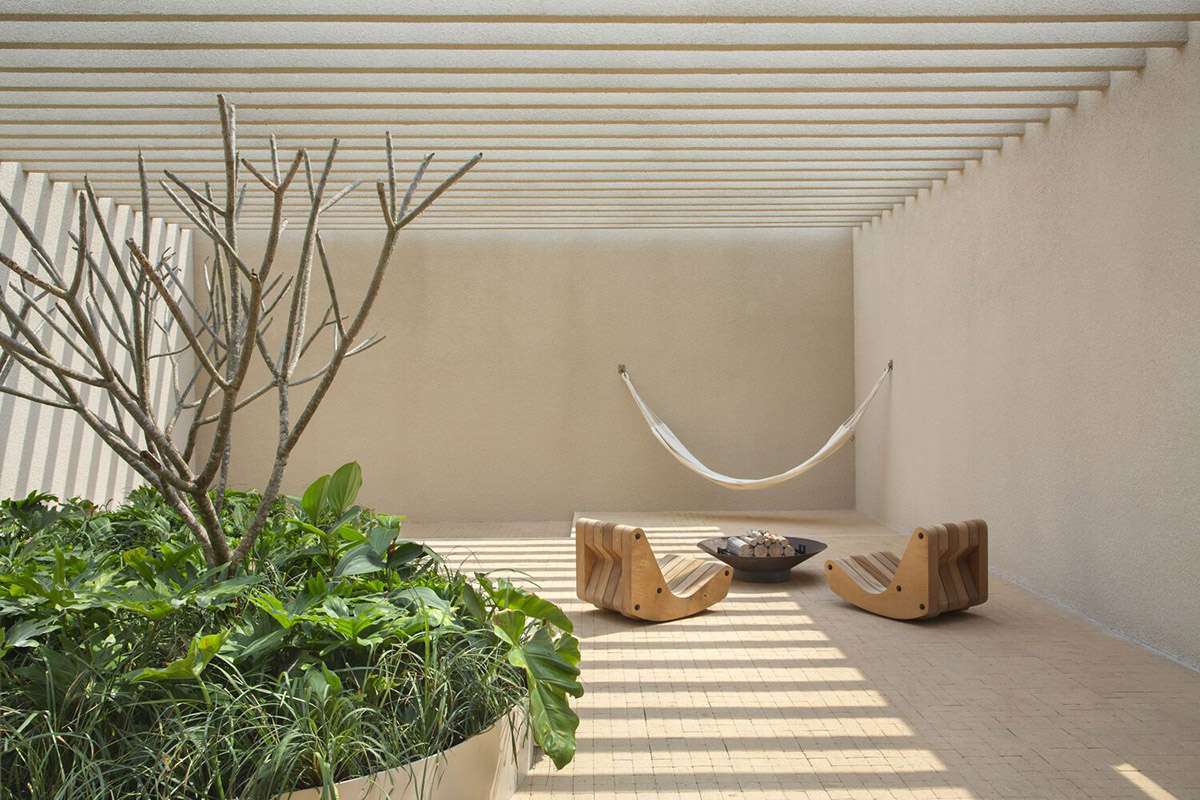
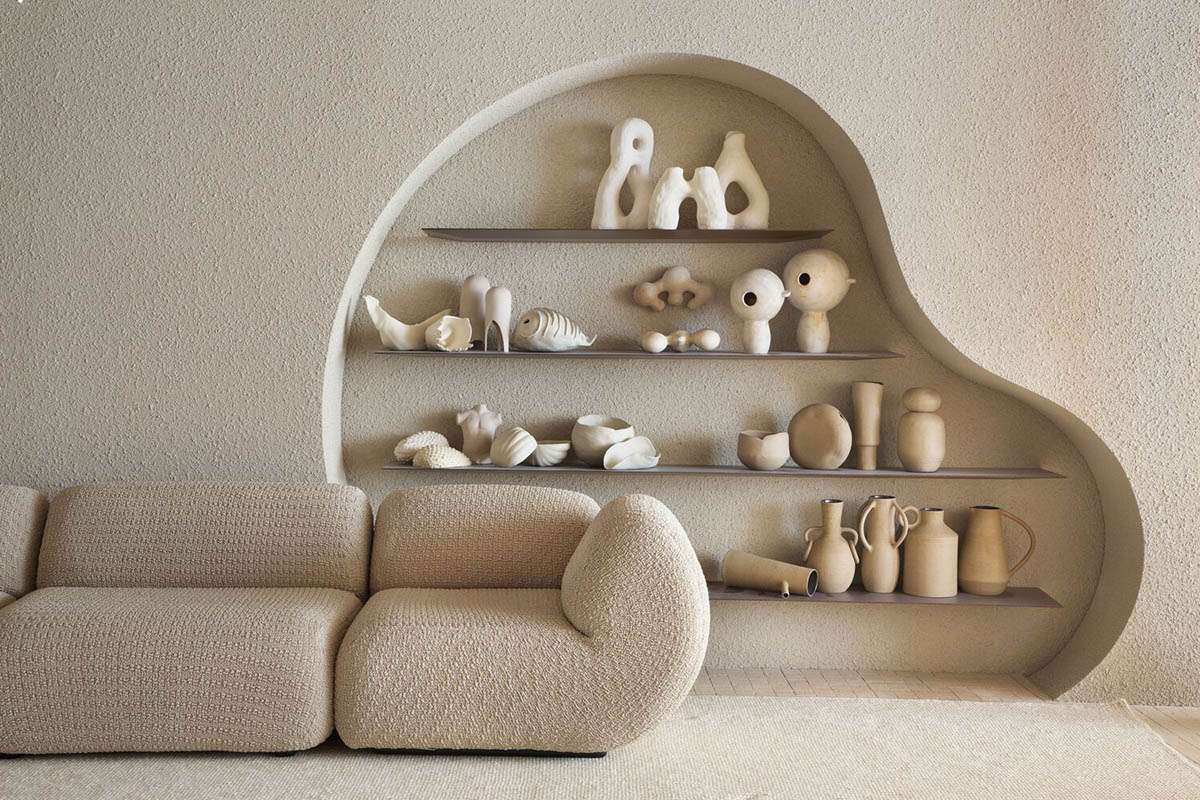
After the 1950s, while the aesthetic values of industrial products were being discussed, an understanding that argued that people’s shelter needs and natural life should be in harmony quickly spread. The artists who held on to this idea had a great influence on the spread of the movement. The terms “organic” and “organic modern” first appeared in America in the interwar period. First, organic designs were seen in the field of architecture. Frank Lloyd Wright and Alvar Aalto were considered representatives of organic architecture. In the furniture industry, it first came to the fore with MoMA’s competition on “Organic design in home furnishings” in 1939. The feature of the furniture selected in the competition was that they could wrap the human body. The human dimensions and ergonomics studies of Henry Dreyfuss, an American industrial designer, were in design. brought the subject of human to the agenda. With the studies carried out after the 1980s, some artificial materials with the properties of natural materials were also obtained. In the 1990s, organic products began to be produced with these materials. The word organic means that furniture or goods not only adapt to people formally, but also adapt to conditions. It also enabled the ability to change, to make certain movements specific to different living things, to control heat, light and sound.Eero Saarinen is the first designer that comes to mind when it comes to organic furniture design. design k He put forward an important work in it. The production of organic design furniture with different materials continued with the work of designers such as Ross Lovegrove, Marc Newson, Warren Platner, Joe Colombo, Harry Bertoia, and George Nelson.
ca65741
ca66391
ca69052